



Penicillins: Drug-drug interactions

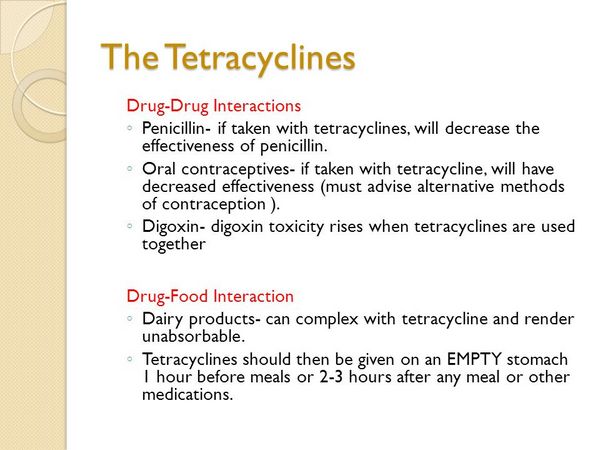
Allopurinol
The risk of rashes caused by aminopenicillins does not appear to be increased by concomitant treatment with allopurinol, as had previously been suggested.
However, aminopenicillins can still cause rashes independently, and many patients receiving allopurinol have comorbid conditions that may predispose them to hypersensitivity reactions. Careful clinical observation remains important when these agents are used together.
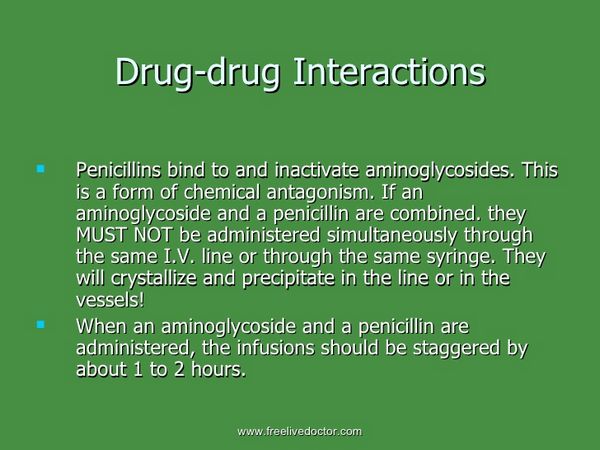
Aminoglycosides
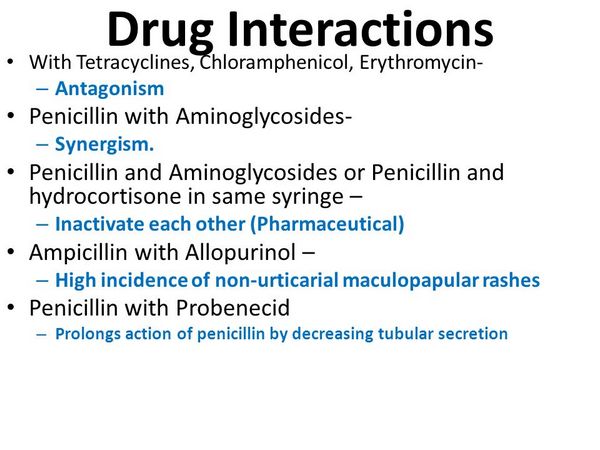
High doses of parenteral penicillin can inactivate aminoglycosides. In patients receiving low doses of aminoglycosides because of reduced renal function, this can be clinically important. Parenteral administration of these drugs in neonatal dosages does not appear to produce relevant inactivation, and therefore temporal separation of the infusions is not required. Piperacillin protected against aminoglycoside nephrotoxicity without reducing its blood concentration; this was possibly a protective effect of co-administered mineral salts.
When higher aminoglycoside doses are necessary, or when renal function is impaired, coordinated dosing and monitoring of serum drug levels and kidney function can help reduce the risk of underdosing or toxicity.
Ciclosporin
In a study in lung transplant recipients, ciclosporin nephrotoxicity was potentiated by nafcillin.
Because ciclosporin has a narrow therapeutic index and transplant patients often receive multiple nephrotoxic agents, clinicians should monitor serum creatinine and adjust immunosuppressant or antibiotic therapy if renal function worsens.
Methotrexate
Beta-lactams are weak organic acids that compete with the renal tubular secretion of methotrexate and its metabolites and reduce their clearance, leading to methotrexate toxicity. Consecutive aplastic crises have been described, particularly in patients with impaired renal clearance. In contrast, co-administration of flucloxacillin in another study produced a significant but not clinically important reduction in methotrexate AUC.
The more basic interactions between piperacillin and methotrexate and its major metabolite, 7-hydroxymethotrexate, have been studied in rabbits. The interaction was mainly caused by reduced renal clearance of both methotrexate and its metabolite.
The authors concluded that renal function in patients taking this combination should be monitored, with adequate fluid intake, especially in elderly patients, because dehydration may accelerate the occurrence of toxicity.
In practice, frequent assessment of kidney function, blood counts, and clinical status can help detect early signs of methotrexate accumulation, particularly in patients who are already at risk of nephrotoxicity or marrow suppression.
Phenytoin
Competitive albumin binding of drugs with high serum protein affinity can increase pharmacologically active unbound concentrations and enhance the metabolism of low-clearance drugs. In vitro data suggest a significant increase in unbound phenytoin concentration with high doses of oxacillin, especially in the presence of hypoalbuminaemia or uraemia.
Because total phenytoin levels may underestimate exposure when protein binding is altered, consideration of free drug levels and clinical monitoring for neurological toxicity are advisable if high-dose oxacillin is used in patients receiving phenytoin.
| Co-administered drug | Penicillin or class | Interaction and clinical considerations |
|---|---|---|
| Allopurinol | Aminopenicillins | Earlier concern about increased rash risk has not been confirmed. Monitor for hypersensitivity reactions, especially in patients with other risk factors. |
| Aminoglycosides | High-dose parenteral penicillins; piperacillin | High doses can inactivate aminoglycosides, which may be clinically important in renal impairment. Piperacillin may lessen nephrotoxicity without lowering aminoglycoside levels; monitor drug levels and kidney function. |
| Ciclosporin | Nafcillin | Nafcillin potentiated ciclosporin nephrotoxicity in lung transplant recipients. Check creatinine regularly and reassess therapy if renal function declines. |
| Methotrexate | Beta-lactams, including piperacillin and flucloxacillin | They compete for renal tubular secretion, reducing methotrexate clearance and increasing the risk of toxicity, particularly in renal impairment. Ensure adequate hydration and monitor laboratory parameters closely. |
| Phenytoin | High-dose oxacillin | Albumin-binding displacement increases unbound phenytoin, especially with low albumin or uraemia. Consider free phenytoin levels and observe for signs of toxicity. |
Interference with Diagnostic Tests
Pseudoproteinuria
Patients who take penicillin G or ureidopenicillin derivatives in doses over 5 g/day develop pseudoproteinuria. Proteinuria should be evaluated using a bromophenol blue test (Albustix) or after urine dialysis.
Recognition of this effect is important to avoid misinterpreting benign test interference as evidence of intrinsic kidney disease.
17-ketosteroids
High-dosage penicillin produces abnormally high concentrations of 17-ketogenic steroids in the blood and high concentrations of 17-ketosteroid in the urine.
When endocrine evaluation is needed, clinicians should take recent or ongoing high-dose penicillin therapy into account, as it can complicate the interpretation of steroid measurements.
| Test or marker | Effect described | Practical implication |
|---|---|---|
| Urine protein tests | Pseudoproteinuria with penicillin G or ureidopenicillins at doses over 5 g/day | Confirm suspected proteinuria with bromophenol blue testing or after urine dialysis to distinguish artefact from true renal protein loss. |
| 17-ketosteroids and 17-ketogenic steroids | Abnormally high blood and urine concentrations with high-dose penicillin | Interpret endocrine work-ups cautiously in patients receiving high-dose penicillins, and repeat testing after therapy if necessary. |