Buy LDN online in the UK without submitting a prescription first, with discreet packaging and delivery to addresses across England, Scotland, Wales, and Northern Ireland.
Naltrexone, the active ingredient in LDN, is an opioid antagonist established for treating alcohol dependence and opioid dependence at standard doses, while 1.5 mg low-dose capsules are used off-label under specialist guidance.
Each capsule contains 1.5 mg of naltrexone, and many people take one capsule daily exactly as their prescriber has directed.
LDN is supplied as a capsule for swallowing, not as a licensed slow-release implant or injection.
Naltrexone begins blocking opioid receptors within hours of a dose, though any low-dose benefit is usually judged only after several weeks of consistent use.
You need to be fully opioid-free before starting naltrexone, since taking it too soon can trigger sudden, unpleasant withdrawal symptoms.
Nausea, headache, and disrupted sleep are among the effects some people notice when they first start treatment.
One practical caution: avoid opioid-containing painkillers or cough remedies while taking naltrexone unless your prescriber has advised otherwise.
Wondering whether LDN capsules could have a place in your current treatment plan?
This tool only estimates pack size from the values you enter.
×
You need: 21 capsRecommended packs: 1 x 30 = 30 caps
Manufacturers
Aspen Pharmacare AustraliaBristol-Myers SquibbDesitin Arzneimittel GmbHZambonZambon ItaliaZambon Italia S.r.l.
Payment & Delivery
Package Example
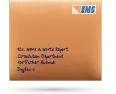
Your order is carefully packed and is dispatched within 24 hours. Here is what a typical package looks like.
Sized like a regular personal letter (approximately 24x11x0.7 cm), with no indication of what is inside.
Front View
Side View
Back View
Delivery Times
Delivery Method
Estimated delivery
Express Free for orders over £222.24
Estimated delivery to the UK: 4-7 days
Standard Free for orders over £148.16
Estimated delivery to the UK: 14-21 days
Payment Methods
Discount Coupons
New Year's Day - 1 January 2026 9%NEWYEAR9
Valentine's Day - 14 February 2026 6%VALENTINE6
St David's Day - 1 March 2026 4%DAVID4
St Patrick's Day - 17 March 2026 5%PATRICK5
St George's Day - 23 April 2026 4%GEORGE4
May Day - 1 May 2026 5%MAYDAY5
Halloween - 31 October 2026 6%HALLOWEEN6
Guy Fawkes Night - 5 November 2026 5%GUY5
Christmas Eve - 24 December 2026 9%XMASEVE9
Christmas Day - 25 December 2026 10%XMAS10
Boxing Day - 26 December 2026 10%BOXING10
New Year's Eve - 31 December 2026 8%NYE8
FAQ
A prescription is required to obtain naltrexone from local pharmacies in the United Kingdom. Our store policy allows LDN 1.5 mg capsules to be ordered without a prescription and sent by post; this ordering policy is separate from the medicine's UK Prescription Only Medicine status.
Store the capsules at 20°C to 25°C in a tightly closed container, protected from light and moisture. Keep them out of the reach of children and do not store them in a damp bathroom.
They may not be the same. This product contains naltrexone 1.5 mg, but the exact capsule ingredients are not confirmed in the product information and can differ between manufacturers or preparations. Check the received label or packaging if you need to avoid a particular excipient, such as lactose, colourings or gelatin.
Do not use the capsules if the container, seal or other protective packaging is damaged or appears to have been opened. Keep the package, including its label and batch details, and arrange for the discrepancy to be checked.
Capsules can normally be sent by post when they are properly packed to protect them from crushing, light and moisture. On arrival, check that the package is intact and store the capsules at 20°C to 25°C; do not use them if their condition or packaging is compromised.
Naltrexone can cause dizziness, drowsiness or tiredness in some people, particularly when treatment starts. Do not drive, cycle or use machinery until you know how the capsules affect you.
Naltrexone is an opioid antagonist used as part of a supervised treatment programme for alcohol dependence and to help maintain opioid abstinence after detoxification. It blocks the effects of opioids and is not suitable for someone currently using opioids or physically dependent on them. The 1.5 mg capsule is a low-dose preparation, so its use and dose should be directed by the prescriber.
During pregnancy, naltrexone should be used only after a clinician has weighed the expected benefit against possible risks, because safety data are limited. Breastfeeding is not recommended during naltrexone treatment because naltrexone and its active metabolite can pass into breast milk.
These capsules are taken by mouth and should be swallowed whole with water. Naltrexone may be taken with or without food. Follow the dose and timing given for your own treatment; a 1.5 mg capsule should not be substituted for standard higher-dose naltrexone regimens without prescriber direction.
Possible effects include nausea, stomach pain or cramps, headache, dizziness, tiredness, sleep disturbance, anxiety and muscle or joint pain. Seek urgent medical help for symptoms of a serious allergic reaction, or for possible liver problems such as yellowing of the skin or eyes, dark urine or severe upper abdominal pain. Starting naltrexone while opioids are still in the body can trigger sudden, severe withdrawal.
Description
Note:
Images in the description are provided for informational purposes and may differ from the actual appearance of the product. Please refer to the product name, strength, active ingredients, and pharmaceutical form.
LDN at a Glance for UK Orders
We stock LDN as 1.5 mg capsules in packs of 30, 60, 90, and 120, dispatched in discreet packaging to addresses right across the UK. You can order LDN through our checkout without needing to upload a prescription first, paying by Visa, Mastercard, American Express, JCB, or cryptocurrency including Bitcoin and USDT. That said, naltrexone's classification in the UK, and how that sits alongside our ordering process, is explained fully later on this page.
What LDN Means for UK Patients
LDN stands for low-dose naltrexone, and the abbreviation has become familiar in UK patient communities long before many pharmacies stocked it. Standard-dose naltrexone has been used for years within NHS and private addiction services to support people recovering from alcohol or opioid dependence. The much smaller 1.5 mg dose behind the LDN name is a different story: it circulates mainly through specialist clinics, private prescribers, and patient-led discussion on forums such as HealthUnlocked, where people living with chronic pain, fatigue, or autoimmune conditions compare notes on their experience. Because this low-dose capsule sits outside the licensed product range, interest in it tends to travel by word of mouth and online research rather than through routine GP awareness.
Everyday Use and Best Practices
Naltrexone works best as part of a steady daily habit rather than an occasional dose. Taking the capsule at roughly the same time each day helps maintain even receptor blockade and makes it easier to notice how you respond over the following weeks. Keeping a simple note of when you take each dose, alongside any effects you experience, gives you and your prescriber something concrete to review at follow-up. If a dose is missed, most people are advised simply to continue with the next scheduled dose rather than doubling up, though your prescriber's specific instructions should always take priority.
Choosing a Time of Day
Many people using low-dose naltrexone in the UK take their capsule in the evening, partly because some report vivid dreams or brief sleep disturbance in the first week or two, which feels easier to sleep through than to work through. Others, particularly if evening dosing disrupts their rest, are advised by their prescriber to switch to a morning dose instead. There is no single correct hour for everyone; what matters more is settling into a consistent daily pattern that you can realistically maintain, whether that is with your morning cup of tea or just before bed.
Taking LDN With or Without Food
Naltrexone absorption is not meaningfully changed by food, so LDN capsules can be taken with or without a meal. Many UK patients find it easiest to build the dose into an existing routine, such as straight after breakfast alongside other morning tablets, or with the evening meal if a night-time dose suits them better. Pairing the capsule with a fixed daily event, rather than trying to remember it in isolation, tends to make long-term adherence far more realistic, particularly on busy work mornings or later evenings.
Safety Priorities and Activities to Limit
Before starting naltrexone, it is essential to be completely free of opioids, including prescription painkillers, since taking it too soon after opioid use can bring on sudden and severe withdrawal symptoms. Because naltrexone can occasionally cause dizziness or drowsiness, take care with driving or operating machinery until you know how it affects you personally. Anyone prescribed opioid-based pain relief or cough medicine for a separate condition should tell their prescriber before combining it with naltrexone, as the opioid effect will usually be blocked or reduced.
Patient Experiences and Common Challenges
What UK Patients Report
Discussion threads on Patient.info and HealthUnlocked show a wide spread of experience with low-dose naltrexone, from people who feel it settles into their routine with little fuss to others who notice nothing they can clearly attribute to the capsule. One recurring, illustrative comment style reads something like: "The first fortnight gave me strange dreams, but once that settled I barely think about taking it." Accounts like this are shared informally between patients and are not something we have collected or verified ourselves; they simply reflect the kind of range you may see discussed in UK patient communities.
Common Challenges
The most frequently mentioned early challenge is disrupted or vivid-dream sleep, which for most people eases within a couple of weeks. Because 1.5 mg LDN capsules are usually supplied as an unlicensed preparation rather than a standard pharmacy stock item, some patients also find sourcing a consistent supply more of a challenge than picking up a routine NHS prescription, and ongoing private prescriber fees can add to the overall cost of treatment.
Local Pharmacy Availability and Price Landscape
Large chains such as Boots Pharmacy, Well Pharmacy, and Superdrug Pharmacy commonly hold licensed naltrexone stock for addiction treatment, but the unlicensed 1.5 mg LDN capsule is far less likely to sit on a typical high-street shelf. Independent community chemists sometimes work with specials manufacturers to source it for an individual patient's prescription, which can involve longer lead times than a standard dispensing. Because pricing for unlicensed specials varies between suppliers and is not something we can quote in advance, it is worth treating any figure you see locally as indicative rather than fixed.
Online Pharmacy Trends in the UK
A growing number of UK patients turn to GPhC-registered online pharmacies for medicines like LDN simply because it saves a round trip to a community chemist that may not stock an unlicensed low-dose item anyway. This is particularly relevant for people in rural parts of Scotland and Wales, on islands, or in areas with limited pharmacy opening hours, where ordering online can be more practical than repeated in-person visits. Privacy is another factor people mention, since ordering discreetly avoids repeated conversations about a sensitive or ongoing health matter at the counter. Online access does not remove the underlying prescription requirements attached to naltrexone; it simply changes how a patient reaches a pharmacy service.
NHS Access versus Private Purchase
Standard-dose naltrexone for alcohol or opioid dependence can be prescribed through NHS addiction and recovery services, where usual NHS prescription charge rules apply in England, while prescriptions remain free in Scotland, Wales, and Northern Ireland. Low-dose LDN capsules, by contrast, are generally prescribed off-label and privately, since they fall outside the licensed indications that NHS services typically fund. This means most people using 1.5 mg LDN capsules are covering both the private prescriber's fee and the cost of the unlicensed capsule itself, rather than working through a standard NHS prescription route.
Ingredients and How LDN Works
The active ingredient in every LDN capsule is naltrexone, an opioid antagonist that binds to the same receptors opioids use, blocking their effects. At the standard 50 mg dose used in addiction treatment, this blockade is deliberately strong and sustained, helping to reduce cravings and remove the reward associated with opioid or alcohol use. At the much smaller 1.5 mg dose, the receptor blockade is brief, and the working theory behind low-dose naltrexone is that this short interruption may prompt a temporary rebound in the body's own endorphin activity. This mechanism remains an area of ongoing interest rather than a settled, universally accepted explanation.
Approved Uses and Regional Clinical Practice
Naltrexone's established, licensed uses in the UK are for supporting abstinence in alcohol dependence and for maintaining opioid-free status in people recovering from opioid dependence, generally at the standard adult dose. The 1.5 mg LDN capsule sits outside this licensed use; some UK clinicians prescribe it off-label for chronic pain conditions, fibromyalgia, or persistent fatigue, based on their own clinical judgement rather than a formal national indication. If you are considering LDN for a condition outside its licensed use, that decision and its monitoring remain a matter for your prescriber.
Food, Drink and Medicine Interactions
Because naltrexone blocks opioid receptors, combining it with codeine, morphine, or other opioid-based medicines is generally avoided, as the opioid will likely have little or no effect while also risking withdrawal in an opioid-dependent person. Naltrexone has also been studied specifically for reducing alcohol cravings, so alcohol is not universally prohibited alongside it in the way some other medicines require, though your prescriber may still advise caution depending on your liver health and the reason you are taking it. Tea and coffee do not have a known significant interaction with naltrexone.
Recent Evidence and Regional Insights
Clinical interest in low-dose naltrexone for pain and inflammatory conditions has continued to grow within parts of the UK medical community, with some specialist clinics reporting steady off-label prescribing alongside patient demand driven largely by online research and peer discussion. UK regulatory and guideline bodies have not issued a formal endorsement of 1.5 mg LDN for these uses, so its position remains that of an off-label option supported by individual clinical experience rather than a nationally agreed treatment pathway.
Alternative Choices for UK Patients
Depending on the underlying condition being treated, several other medicines are used in comparable UK treatment pathways. The comparison below is general and does not reflect our current stock or pricing for these alternatives.
Medicine
Typical use
Practical consideration
Acamprosate
Supports abstinence in alcohol dependence
Taken several times daily; different mechanism from naltrexone
Disulfiram
Alcohol dependence deterrent therapy
Causes an unpleasant reaction if alcohol is consumed
Nalmefene
Reduces alcohol consumption
Taken as needed before anticipated drinking
Buprenorphine
Opioid dependence maintenance
Requires careful induction under specialist supervision
Methadone
Opioid dependence maintenance
Usually dispensed and supervised through structured NHS services
Standard-dose naltrexone (e.g. Revia)
Licensed alcohol and opioid dependence treatment
Higher licensed dose than LDN capsules, with an established evidence base
Regulatory Status and Prescription Requirements
Naltrexone is classified as a Prescription Only Medicine in the United Kingdom, and the Medicines and Healthcare products Regulatory Agency has not identified a marketing authorisation specifically for the 1.5 mg LDN capsule presentation; it is typically supplied as an unlicensed 'special' for a named patient. NHS medicine information and patient guidance covering naltrexone are publicly available, and any suspected adverse reaction can be reported through the MHRA Yellow Card scheme. Our own checkout does not require a prescription upload before you place an order, which is a feature of our ordering process rather than a change to naltrexone's underlying legal classification.
Storing LDN in UK Homes
Keep LDN capsules at 20°C to 25°C in a tightly closed container, away from direct light and moisture. In much of the UK's typically cool, damp climate this is straightforward, but a bathroom cabinet is usually a poor choice because of humidity, and a brief summer heatwave can push a warm windowsill or car glovebox above the recommended range, so a dry cupboard away from direct sun remains the more reliable spot.
Delivery Across the UK
We currently offer Express delivery, typically arriving within 4 to 7 days, and Standard delivery, typically within 14 to 21 days, both dispatched in discreet packaging. Delivery times can vary a little depending on whether an address is in a major city or a more rural or island location.
Approximate delivery times across the United Kingdom
City
Express
Standard
Glasgow
≈ 7 days
≈ 16 days
Plymouth
≈ 4 days
≈ 16 days
Liverpool
≈ 6 days
≈ 20 days
Birmingham
≈ 6 days
≈ 15 days
Leicester
≈ 7 days
≈ 16 days
Estimates are based on our experience with previous deliveries and are not guaranteed delivery dates.
Whether you are ordering from Glasgow, Plymouth, Liverpool, Birmingham, or Leicester, the same two delivery options apply, and our support team is available by email, online chat, or phone, 24 hours a day, if you need to check on an order.
In Summary
LDN capsules bring together a well-established opioid antagonist and a much smaller, off-label dose that has built its own following among UK patients researching options beyond standard treatment. Understanding the difference between naltrexone's licensed use, its unlicensed low-dose form, and our own straightforward ordering process should help you decide whether LDN is worth discussing further with a prescriber before your next order.
My LDN capsules have arrived in Glasgow. Where should I look for the batch number and expiry date?
A
Answered by Support team
Check the label on the capsule container and any outer carton for the batch or lot number and expiry date. Keep those details with the packaging, especially if you need to query the product's condition.
Q
Asked by James Whitfield, Sunderland, United Kingdom
I have chronic liver disease and my clinician has mentioned low-dose naltrexone. Is this something that needs extra checks before I start?
Yes. Naltrexone is processed by the liver and is contraindicated in acute hepatitis or liver failure; liver disease requires an individual prescriber assessment and may require liver-function monitoring. It is also important to confirm that you are not using opioid medicines before starting.
Product specifications
Active ingredient
Naltrexone
Drug class
Opioid antagonist
Dosage form
Capsule
Available strengths
1.5 mg
Route
Oral
Storage
Store at 20°C to 25°C in a tightly closed container, away from light and moisture.
ATC code
N07BB04
Regulatory information
Licence StatusNaltrexone is an authorised active substance approved for human medical use in the United Kingdom.
Supply RequirementNaltrexone in capsule form is classified as a prescription-only medicine (POM), requiring a valid prescription from an authorised healthcare professional.