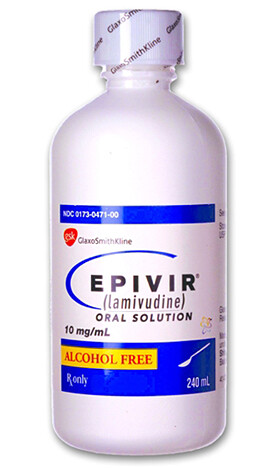
Epivir 150 mg contains lamivudine (also known as "3TC"), a nucleoside reverse transcriptase inhibitor (NRTI) used with other antiretroviral medicines to treat HIV-1 infection.
How it works
Inside cells, lamivudine is converted into an active triphosphate form that inhibits HIV reverse transcriptase and blocks viral DNA synthesis. It helps reduce viral replication when taken as part of a full antiretroviral regimen, in line with standard HIV treatment practice in the UK.
Can Epivir (lamivudine) prevent HIV?
Epivir is mainly used to treat people living with HIV and is not used on its own for pre-exposure prophylaxis (PrEP). For prevention, clinical guidelines usually recommend dedicated PrEP options, such as tenofovir/emtricitabine or long-acting cabotegravir, depending on eligibility and local guidance.
For PrEP or post-exposure prophylaxis (PEP) options, speak to a clinician in the UK to find the most suitable choice.
Usual dosing (HIV-1)
- Adults and adolescents: total daily dose 300 mg, taken as 150 mg twice daily or 300 mg once daily, as prescribed.
- Can be taken with or without food.
- Dose adjustment may be needed in renal impairment.
Abacavir plus lamivudine (ABC/3TC)
Abacavir + lamivudine (ABC/3TC) is a widely used backbone combination for HIV treatment. In some countries, it is available as a single fixed-dose tablet (for example, Epzicom or Kivexa) and is taken with at least one other antiretroviral medicine.
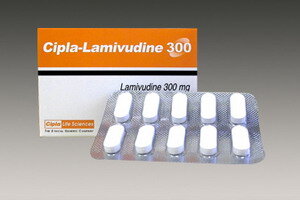
Before starting abacavir-containing regimens, clinicians usually consider human leukocyte antigen B*5701 (HLA-B*5701) screening because of the risk of serious hypersensitivity reactions.
Important information
- Epivir is taken with other antiretroviral medicines (not as monotherapy for HIV).
- If you have HIV and hepatitis B virus (HBV), stopping lamivudine may cause a severe HBV flare-up. Do not stop treatment without medical advice.
- Get urgent medical help if you have symptoms that could suggest lactic acidosis or severe liver problems.
This information is for general reference only and does not replace professional medical advice.