Levofloxacin is a widely used fluoroquinolone for treating community-acquired pneumonia and several other bacterial infections, such as bronchitis, urinary tract infections and skin infections. In the UK, it is used in selected cases of community-acquired pneumonia because of its high bioavailability, broad-spectrum activity, tolerability and once-daily dosing.
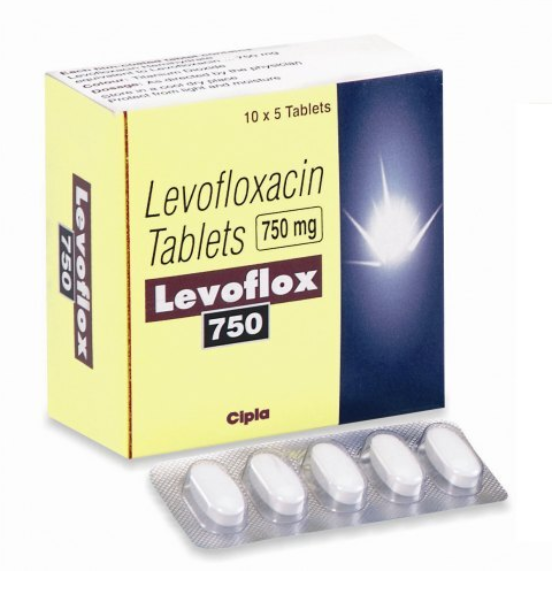
Levofloxacin was first launched in Japan in 1993 and has been widely available since 1998. More recently, a high-dose 750 mg formulation was approved, allowing a shortened five-day treatment course for community-acquired pneumonia. The medicine lost patent protection in Japan in 2010 and in the UK and wider Europe in 2011 (the patent cliff). It is available in both oral and IV forms.
Levofloxacin overview: efficacy and studies
Levofloxacin is the levo enantiomer of ofloxacin. It works by inhibiting bacterial topoisomerase IV and DNA gyrase, enzymes needed for DNA replication, transcription, repair and recombination. Levofloxacin has in vitro activity against a wide range of gram-negative and gram-positive microorganisms.
Observational studies
In 10 patients who took levofloxacin 500 mg/day and rifampicin 600 mg/day for 2-6 months, 46% had no side effects, 40% had occasional digestive symptoms and 13% had mild diarrhoea; these patients also took unspecified anti-inflammatory drugs. Sleeplessness occurred in 6%, but there was no tendinitis and no changes in liver function.
In a prospective, multicentre, open-label trial, 313 patients with clinical signs and symptoms of bacterial infections of the respiratory tract, skin, or urinary tract were treated with levofloxacin. Of these, 134 had a pathogen isolated from the primary site of infection, and the minimum inhibitory concentration (MIC) of levofloxacin for the isolate was determined.
Levofloxacin produced clinical and microbiological response rates of about 95%. These response rates included pathogens such as Streptococcus pneumoniae and Staphylococcus aureus. In a logistic regression analysis, the clinical outcome was predicted by the ratio of peak plasma concentration to MIC and the site of infection. Microbiological eradication was predicted by the peak concentration/MIC ratio. Both clinical and microbiological outcomes were most likely to be favourable if the peak concentration/MIC ratio was at least 12.
Of 17 people with suspected latent multidrug-resistant tuberculosis treated with pyrazinamide and levofloxacin, 11 developed musculoskeletal side effects related to treatment, 5 had nervous system effects, and 15 had raised liver enzymes, uric acid or creatine kinase.
Comparative studies
Levofloxacin's efficacy in adult inpatients and outpatients with community-acquired pneumonia was evaluated in two pivotal Phase III clinical studies. In the first study, 590 patients were treated with levofloxacin (500 mg) once daily by mouth or intravenously for 7 to 14 days, or with the cephalosporin ceftriaxone (1-2 grams), given intravenously once or twice daily, followed by the cephalosporin cefuroxime axetil (500 mg) given by mouth twice daily for a total of 7 to 14 days (Ortho-McNeil, 2004).
Patients assigned to treatment with the cephalosporins were allowed to receive erythromycin (or doxycycline if intolerant of erythromycin) if infection due to atypical pathogens was suspected or proven. Clinical success, defined as the percentage of patients cured or improved at 5 to 7 days after treatment, with levofloxacin was superior (95%) to success in the control group (83%). In a second, non-comparative study, 264 patients were treated with levofloxacin 500 mg by mouth or intravenously once daily for 7 to 14 days; the clinical success rate in evaluable patients in this study was 93%.
In comparative trials involving commonly used regimens, levofloxacin had equivalent, if not greater, activity in the treatment of community-acquired pneumonia, acute bacterial exacerbations of chronic bronchitis, acute bacterial sinusitis, acute pyelonephritis and complicated urinary tract infection.
Interactions
As with ciprofloxacin, using levofloxacin with drugs that alter blood glucose concentrations increases the risk of blood glucose disturbances.
Chinese medicines
Chinese medicines did not influence the systemic availability or renal excretion of levofloxacin.
Efavirenz
Levofloxacin pharmacokinetics in HIV-positive patients were not altered by steady-state treatment with efavirenz.
HIV protease inhibitors
Levofloxacin pharmacokinetics in HIV-positive patients were not altered by steady-state treatment with nelfinavir.
Lithium
Co-administration with levofloxacin can cause severe lithium toxicity; the authors did not discuss the mechanism.
Theophylline
Theophylline clearance was reduced by levofloxacin plus clarithromycin in a 59-year-old Japanese man, who had stimulation, insomnia and tachycardia due to theophylline toxicity.
The mechanism was probably inhibition of theophylline metabolism by CYP1A2 and CYP3A4.
Warfarin
Enhanced hypoprothrombinaemia has been reported when levofloxacin was given with warfarin.
Medicines to tell your doctor about
Tell your doctor if you're taking any of the following:
- Iron salts (used to treat anaemia), magnesium- or aluminium-containing antacids (medicines for heartburn and stomach pain), or medicines containing these salts. These can reduce the absorption and effectiveness of levofloxacin, so they should be taken at least 2 hours before or after Evoxil tablets (US: Levaquin tablets);
- Sucralfate (used to protect the stomach lining). It may affect absorption and reduce the effectiveness of levofloxacin. It is best to take sucralfate 2 hours after Evoxil tablets (or another levofloxacin-containing medicine);
- Probenecid (used to prevent gout) or cimetidine (used to treat ulcers), as they reduce your kidneys' ability to excrete levofloxacin;
- Ciclosporin (for example, used to treat psoriasis, dermatitis or rheumatism). The effect of this medicine may be prolonged if used together with levofloxacin;
- Corticosteroids, sometimes called steroids, used for inflammation. You may be more likely to develop tendon inflammation or a tendon rupture;
- Non-steroidal anti-inflammatory drugs, used for pain and inflammation, such as aspirin, ibuprofen, fenbufen, ketoprofen and indomethacin. You are more likely to have a fit (seizure) if they are taken with Evoxil tablets;
- Medicines that can affect your heart rhythm: antiarrhythmics (for example, quinidine, disopyramide, amiodarone, sotalol, dofetilide and ibutilide), tricyclic antidepressants, some antimicrobials (macrolides) and some antipsychotics.
Taking levofloxacin with food and drink
Evoxil tablets may be taken with meals or at any time between meals. Swallow the tablets with a glass of water.
Antimicrobial action
As with ciprofloxacin, levofloxacin is generally considered to be about twice as active as ofloxacin, the racemic substance. Levofloxacin has a broad spectrum of activity, including gram-positive bacteria.
Pharmacokinetics
Levofloxacin is rapidly and almost completely absorbed after oral doses, with peak plasma concentrations occurring within 1 to 2 hours. It is widely distributed into body tissues, including the bronchial mucosa and lungs, but penetration into CSF is relatively poor. Levofloxacin is about 30 to 40% bound to plasma proteins. Only small amounts are metabolised to inactive metabolites. The elimination half-life of levofloxacin is 6 to 8 hours, although this may be prolonged in patients with renal impairment. Levofloxacin is excreted largely unchanged, mainly in the urine, with less than 5% as metabolites. It is not removed by haemodialysis or peritoneal dialysis.
Uses and administration
Levofloxacin is the S-(-)-isomer of the fluoroquinolone antibacterial ofloxacin. It is given by mouth or by intravenous infusion as a 5 mg/mL solution over 30 to 90 minutes to treat susceptible infections, including tuberculosis.
Uses
Evoxil and other levofloxacin tablets are used to treat infections caused by bacteria that are sensitive to levofloxacin. Your doctor will decide whether your infection can be treated with this medicine. Levofloxacin can be used to treat infections of the:
- Sinuses;
- Lungs, in people with long-term breathing problems or pneumonia;
- Urinary tract, including the kidneys or bladder;
- Prostate gland, where there is a long-lasting infection;
- Skin and the tissues underneath the skin, including muscles. This is sometimes called 'soft tissue'.
Oral administration
Oral levofloxacin may be given with or without food. Food does not appreciably affect the rate or extent of absorption of the drug.
Antacids containing magnesium or aluminium, sucralfate, metal cations such as iron or zinc, and didanosine (Videx®) chewable/dispersible tablets or unbuffered paediatric powder for oral solution prepared for administration as an admixture with antacids may interfere with oral absorption of levofloxacin, resulting in subtherapeutic systemic concentrations of the quinolone. To minimise the possibility of an interaction, patients should be instructed not to take antacids containing magnesium or aluminium, sucralfate, metal cations such as iron or zinc (including multivitamin preparations containing zinc), or didanosine (Videx®) chewable/dispersible tablets or unbuffered paediatric powder for oral solution prepared for administration as an admixture with antacids at the same time as, or within 2 hours of, an oral dose of levofloxacin.
IV infusion
Before IV infusion, commercially available levofloxacin concentrate for injection in single-use vials containing 25 mg/mL must be diluted with a compatible IV solution to provide a solution containing 5 mg/mL. Alternatively, commercially available levofloxacin injection for IV infusion containing 5 mg/mL in 5% dextrose injection may be used without further dilution. Because commercially available levofloxacin concentrate for injection and levofloxacin injection for IV infusion contain no preservative, any unused portion of the solutions should be discarded.
Solutions compatible with levofloxacin IV include:
- 0.9% sodium chloride injection;
- 5% dextrose injection;
- 5% dextrose/0.9% sodium chloride injection;
- 5% dextrose in lactated Ringer's;
- Plasma-Lyte 56/5% dextrose injection;
- 5% dextrose/0.45% sodium chloride;
- 1.5% potassium chloride injection;
- Sodium lactate injection (M/6).
IV infusions of levofloxacin should be given slowly. Levofloxacin doses of 250 or 500 mg should be given over 60 minutes. Levofloxacin doses of 750 mg should be given over 90 minutes. Because of the risk of hypotension, rapid or bolus IV infusion should be avoided. Levofloxacin solutions should be checked visually for particulate matter before administration whenever the solution and container allow.
Because only limited information is available on the physical and/or chemical compatibility of levofloxacin and other drugs, levofloxacin should not be mixed with other drugs or infused at the same time through the same tubing as other drugs. Fluoroquinolones, including levofloxacin, should not be infused through the same tubing as any solution containing multivalent cations (for example, magnesium). If a Y-type administration set is used, the other IV solution flowing through the tubing should be stopped while levofloxacin is being infused. If the same administration set is used for sequential infusion of several different drugs, the tubing should be flushed before and after administration of levofloxacin with an IV solution that is compatible with both levofloxacin and the other drug(s).
Dosage
The dosage of oral and IV levofloxacin is identical.
When levofloxacin treatment is started using IV levofloxacin, it may be changed, when appropriate, to oral levofloxacin given at the same dose to complete the course of treatment. The timing of the change from IV to oral therapy should be individualised, taking into account the patient's clinical condition.
The dosage of levofloxacin does not need to be modified in geriatric patients based on age alone.
Respiratory tract infections
For the treatment of acute maxillary sinusitis, acute bacterial exacerbations of chronic bronchitis or community-acquired pneumonia in adults, the usual dosage of levofloxacin is 500 mg once every 24 hours. The usual duration of treatment is 10-14 days for acute maxillary sinusitis, 7 days for acute bacterial exacerbations of chronic bronchitis, and 7-14 days for community-acquired pneumonia.
For the treatment of hospital-acquired pneumonia in adults, the usual dosage of levofloxacin is 750 mg once daily for 7-14 days.
Skin and skin structure infections
For the treatment of uncomplicated skin and skin structure infections in adults, the usual dosage of levofloxacin is 500 mg once every 24 hours for 7-10 days. The usual dosage for complicated skin and skin structure infections in adults is 750 mg once every 24 hours for 7-14 days.
Urinary tract infections and prostatitis
The usual dosage of levofloxacin for treating uncomplicated urinary tract infections, complicated urinary tract infections or acute pyelonephritis in adults is 250 mg once every 24 hours. The usual duration of treatment is 3 days for uncomplicated urinary tract infections and 10 days for complicated urinary tract infections and acute pyelonephritis.
The usual dosage of levofloxacin for the treatment of chronic prostatitis in adults is 500 mg once daily for 28 days.
GI infections
For the treatment of travellers' diarrhoea that is severe or associated with fever or bloody stools, some clinicians recommend 500 mg of levofloxacin once daily for up to 3 days. Although the use of anti-infectives to prevent travellers' diarrhoea is generally discouraged, if levofloxacin is used, the recommended oral dosage is 500 mg once daily during the period of risk, for up to 3 weeks.
Treatment of active tuberculosis
If oral levofloxacin is used as an alternative agent in multidrug regimens for the treatment of active tuberculosis, UK guidance from NICE and public health authorities indicates that adults and children 15 years of age or older may receive 0.5-1 g daily. These sources also indicate that there is not enough evidence to support intermittent levofloxacin regimens for treating tuberculosis.
Anthrax
If oral levofloxacin is used as an alternative agent for post-exposure prophylaxis following suspected or confirmed exposure to aerosolised anthrax spores (inhalational anthrax), or if oral levofloxacin is used to treat anthrax when a parenteral regimen is not available (for example, when there are supply or logistical problems because large numbers of people require treatment in a mass-casualty setting), the US Working Group on Civilian Biodefense suggests that adults can receive 500 mg once daily.
Because anthrax spores may persist in lung tissue after aerosol exposure, UK public health guidance states that anti-infective treatment for inhalational anthrax or post-exposure prophylaxis should continue for 60 days.
Gonorrhoea and associated infections
If oral levofloxacin is used for the treatment of uncomplicated cervical, urethral or rectal gonorrhoea in adults and adolescents, UK guidance has historically used a single 250 mg dose. If levofloxacin is used for the treatment of disseminated gonococcal infection in adults and adolescents, UK guidance has used an initial IV dosage of 250 mg once daily, continued for 24-48 hours after improvement begins; treatment may then be switched to oral levofloxacin 500 mg once daily to complete at least 1 week of treatment.
Unless coexisting chlamydial infection has been ruled out by appropriate testing, patients receiving levofloxacin for uncomplicated or disseminated gonococcal infection should also receive an anti-infective regimen effective for presumptive treatment of chlamydia (for example, a single dose of oral azithromycin or a 7-day course of oral doxycycline).
Nongonococcal urethritis
If oral levofloxacin is used for the treatment of nongonococcal urethritis, UK guidance has used 500 mg once daily for 7 days.
Chlamydial infections
For the treatment of urogenital chlamydial infections in adults and adolescents, UK guidance has used oral levofloxacin 500 mg once daily for 7 days.
Pelvic inflammatory disease
For the treatment of acute pelvic inflammatory disease (PID) in adults and adolescents, when a parenteral regimen is indicated, IV levofloxacin may be given at a dosage of 500 mg once daily with or without IV metronidazole (500 mg every 8 hours). The parenteral regimen may be stopped 24 hours after clinical improvement; however, oral doxycycline (100 mg twice daily) should be continued to complete 14 days of treatment. If an oral levofloxacin regimen is used for the treatment of PID, the drug should be given at a dosage of 500 mg once daily for 14 days with or without oral metronidazole (500 mg twice daily for 14 days).
Levofloxacin is also used topically as the hemihydrate in eye drops. A solution containing the equivalent of 0.5% levofloxacin is used for the treatment of bacterial conjunctivitis and 1.5% for corneal ulcers caused by susceptible strains of bacteria.
Overdose
If you accidentally take an extra tablet, there should be no serious long-term consequences. Contact your doctor as soon as possible for precise instructions. If possible, take your tablets or the box with you to show the doctor. Signs of an overdose include:
- Confusion;
- Dizziness;
- Reduced consciousness;
- Convulsive fits and heart disorders;
- Abnormal heart rhythm.
Missing a dose
If you forget to take a dose, take it as soon as you remember, unless it is nearly time for your next dose. Then carry on as prescribed. Do not take a double dose to make up for a missed dose.
Stopping the course prematurely
It is important to finish your course of tablets exactly as prescribed by your doctor. Do not stop, even if you begin to feel better before you have finished them all. Stopping the medicine too soon may make your condition worse.
If you develop signs of a side effect, tell a doctor straight away before taking the next dose. If you have any further questions about using this product, ask your doctor or pharmacist.
Administration in children
Since fluoroquinolones can cause degenerative changes in weight-bearing joints in young animals, they should only be used in children and adolescents when the expected benefits outweigh the risks. Although levofloxacin is not licensed for use in this age group in either the UK or the United States of America (USA), a pharmacokinetic study has suggested that the following doses would be needed:
- Children 5 years of age and older: 10 mg/kg/day;
- Infants and children from 6 months to less than 5 years of age: 10 mg/kg every 12 hours.
Administration in patients with renal impairment
Although initial doses (see above) remain unchanged in patients with renal impairment, subsequent doses of levofloxacin should be adjusted according to creatinine clearance (CC). In the UK, the following doses are recommended:
- CC 20 to 50 mL/minute: subsequent doses are halved;
- CC 10 to 19 mL/minute: subsequent doses are reduced to one-quarter of the usual dose; a regimen of 250 mg daily should be reduced to 125 mg every 48 hours;
- CC less than 10 mL/minute (including haemodialysis and continuous peritoneal dialysis patients): usual doses of 250 mg or 500 mg daily are reduced to 125 mg every 48 or 24 hours, respectively. In the United States of America (USA), the following dose modifications are recommended:
After an initial dose of 750 mg daily:
- CC 20 to 49 mL/minute: subsequent doses are 750 mg every 48 hours;
- CC up to 19 mL/minute (including haemodialysis and continuous peritoneal dialysis patients): subsequent doses are 500 mg every 48 hours.
After an initial dose of 500 mg daily:
- CC 20 to 49 mL/minute: subsequent doses are 250 mg every 24 hours;
- CC up to 19 mL/minute (including haemodialysis and continuous peritoneal dialysis patients): subsequent doses are 250 mg every 48 hours.
After an initial dose of 250 mg daily:
- CC 10 to 19 mL/minute: subsequent doses are 250 mg every 48 hours.
A pharmacokinetic study in 10 critically ill patients undergoing continuous renal replacement therapy with either venovenous haemofiltration or haemodiafiltration suggested that levofloxacin 250 mg every 24 hours or 500 mg every 48 hours would be suitable in these situations.
Peptic Ulcer Disease
Proceed here to find out about the role of levofloxacin in eradication regimens for Helicobacter pylori.
Levofloxacin Effect on Different Systems
Cardiovascular
Preclinical data, clinical trial data, and phase IV study data suggest that levofloxacin can prolong the QT interval. Cardiovascular problems were reported in 1 in 15 million prescriptions, compared with 1-3% of patients taking sparfloxacin, in whom QTc prolongation to over 500 ms was seen. Polymorphic ventricular tachycardia with a normal QT interval has been associated with oral levofloxacin when no other cause was identified.
Among 23 patients who took levofloxacin 500 mg/day, the QTc interval was prolonged by more than 30 ms in four patients and by 60 ms in two patients.
There was absolute QT interval prolongation to over 500 ms in four patients, one of whom developed torsade de pointes.
Phlebitis can occur during parenteral administration of levofloxacin. High concentrations of levofloxacin (5 mg/mL) significantly reduced intracellular adenosine and adenosine triphosphate content in cultured endothelial cells and also reduced ADP, GTP, and GDP concentrations. These in vitro data suggest that high doses of levofloxacin may interfere with normal endothelial cell function and may help explain the occurrence of phlebitis. Commercial formulations should be diluted and administered into large veins.
Respiratory
Eosinophilic pneumonia complicated by bronchial asthma has been attributed to levofloxacin.
A 76-year-old woman took levofloxacin for a productive cough with non-segmental infiltration in both lung fields. She developed eosinophilia in both the peripheral blood (24%) and the sputum (10%), airflow limitation, hypoxaemia, and increased airway responsiveness to methacholine.
Bronchoalveolar lavage fluid showed an increased total cell count and a 55% increase in eosinophils, and the CD4/CD8 ratio was reduced to 0.8. Histological features included increased infiltration of eosinophils in the alveolar and interstitial compartments and goblet cell metaplasia. Levofloxacin was withdrawn, and her symptoms improved without steroid treatment. A leukocyte migration test for levofloxacin was weakly positive.
Nervous System
Levofloxacin can cause seizures. In one study, convulsions occurred in two per million prescriptions.
- A 75-year-old white woman was given oral levofloxacin (500 mg on day 1 followed by 250 mg/day) for ischaemic toes. After three doses, she had a seizure. One month later, she was given ciprofloxacin 400 mg intravenously every 12 hours and again had a seizure;
- A 74-year-old white woman was given oral levofloxacin 500 mg/day for bacterial pneumonia and had a seizure after five doses.
Sensory Systems
Taste disturbance occurred in fewer than three per million prescriptions of levofloxacin.
Gastrointestinal
Of 48 patients taking pyrazinamide 30 mg/kg/day plus levofloxacin 500 mg/day for 1 year, 27 stopped treatment within 4 months because of adverse events. Gastrointestinal intolerance was the main reason for early withdrawal.
Levofloxacin can cause pseudomembranous colitis due to Clostridium difficile.
Liver
In a study based on European and international data covering about 130 million prescriptions, the side effect profile of levofloxacin was compared with that of other fluoroquinolones. The rate of hepatic abnormalities was low. However, two cases of severe acute liver toxicity were reported in patients who had received intravenous levofloxacin.
Pancreas
Two case reports have suggested that levofloxacin can cause pancreatitis.
Urinary Tract
Two reports have suggested that levofloxacin can cause tubulointerstitial nephritis. A case of nephrotoxicity and purpura associated with levofloxacin has also been reported; allergic interstitial nephritis or vasculitis was thought to be the underlying pathological process.
A 73-year-old white man took levofloxacin for a lower urinary tract infection for 3 days and developed palpable purpura and erythematous skin lesions over the lower limbs and trunk, with a markedly reduced urine output. Serum creatinine was 560 µmol/L (6.4 mg/dL). Levofloxacin was withdrawn, and prednisone, furosemide, and intravenous fluids were given. The patient recovered fully over the next 4 weeks.
Skin
In a double-blind, randomised study in 30 healthy adults, oral levofloxacin (500 mg/day for 5 days) had low photosensitising potential, as also seen in preclinical animal studies and postmarketing surveillance. In preclinical studies, levofloxacin was 20 times less phototoxic than sparfloxacin. Phototoxicity occurs in only 1 in 1.8 million cases.
Levofloxacin can cause a rash similar to the ampicillin rash in patients with infectious mononucleosis.
A 78-year-old woman developed a rash with blistering 2 days after completing a course of levofloxacin. The rash progressed to toxic epidermal necrolysis within 7 days. She was treated with intravenous fluids and wound dressings. Her condition improved, and she was discharged after 22 days.
Musculoskeletal
Tendinopathy has been reported with levofloxacin. Four cases of Achilles tendinitis have been reported in patients taking levofloxacin. Two were on chronic dialysis, one was a kidney transplant recipient, and one had chronic vasculitis. In all four cases, tendinitis came on suddenly, affected both sides, and was incapacitating. In three cases, it started early during levofloxacin treatment, and in one case it began 10 days after treatment ended. All patients recovered completely after 3-8 weeks.
Older age, renal dysfunction, and concurrent corticosteroid therapy are predisposing risk factors. Tendon rupture occurred in fewer than four per million prescriptions.
Immunologic
Anaphylactic and anaphylactoid reactions are rare side effects after administration of fluoroquinolones (about 0.46-1.2 per 100,000 patients).
On two occasions, a 49-year-old woman with asthma who took levofloxacin for a chest infection developed worsening respiratory distress that required intubation. The second reaction was accompanied by a marked skin reaction.
An in vitro study in rat peritoneal mast cells showed that levofloxacin-mediated histamine release might be closely linked to activation of pertussis toxin-sensitive G proteins.
Susceptibility Factors
The pharmacokinetics of intravenous levofloxacin have been studied in intensive care patients during continuous venous haemofiltration or haemodiafiltration. Levofloxacin clearance was substantially increased during both types of continuous renal replacement therapy. Levofloxacin 250 mg/day maintained effective plasma concentrations in these patients.
Warnings and Precautions
Do not use Evoxil tablets (Levaquin in the US):
- If you are allergic (hypersensitive) to levofloxacin, to other quinolone antibiotics, or to any of the other ingredients in this medicine;
- If you have epilepsy, as this increases the risk of fits (seizures);
- If you have ever had tendon problems, such as tendinitis, related to treatment with a fluoroquinolone antibiotic;
- If you are pregnant, planning to become pregnant, or breastfeeding;
- If the tablets have been prescribed for children or growing teenagers. They could harm the cartilage in growing bones.
Tell your doctor before taking this medicine:
- If you have had fits or brain damage in the past, such as a stroke or severe brain injury. Make sure your doctor knows about your medical history so they can advise you properly;
- If you are exposed to sunlight or UV light. Do not stay in strong sunlight for longer than necessary and do not use a sun lamp or sunbed. Your skin may become more sensitive to light while using this medicine and may react like sunburn;
- If you get pain or inflammation in your tendons, particularly if you are elderly or taking corticosteroids. If you have any tendon symptoms while taking the tablets or shortly afterwards, get medical advice straight away and rest the affected limb to help avoid tendon damage. Do not take the next dose of levofloxacin unless your doctor tells you to;
- If you have severe, persistent, and/or bloody diarrhoea during or after treatment with the tablets. This may be a sign of serious bowel inflammation (pseudomembranous colitis), which can happen after antibiotic treatment. Tell your doctor straight away. It may be necessary to stop treatment and start specific therapy;
- If you have a family history of, or have, a defect in the liver enzyme called glucose-6-phosphate dehydrogenase (G6PD), a rare hereditary condition. Patients with G6PD deficiency may be prone to destruction of red blood cells (haemolysis) when treated with quinolone antibiotics;
- If you have kidney disease or reduced kidney function (renal insufficiency);
- If you are taking anticoagulants;
- If you have ever had mental health problems. Tell your doctor immediately if you think you may be having a psychotic reaction;
- If you have ever had symptoms caused by nerve damage, such as movement or sensation problems in your hands and feet;
- If you have diabetes and are taking oral medicines that lower blood glucose levels;
- If you have ever had liver problems. Stop treatment and contact your doctor immediately if symptoms of liver disease develop, such as loss of appetite, yellowing of the skin or the whites of the eyes (jaundice), dark urine, itching, or gastrointestinal problems;
- If you were born with, or have a family history of, a prolonged QT interval (seen on an ECG), have a salt imbalance in the blood (especially low potassium or magnesium), have a very slow heart rhythm (bradycardia), have heart failure, or have ever had a heart attack (myocardial infarction).
Levofloxacin: Uses
Levofloxacin is used orally or intravenously for the treatment of respiratory tract infections (acute bacterial exacerbations of chronic bronchitis, acute maxillary sinusitis, community-acquired pneumonia, hospital-acquired pneumonia), uncomplicated or complicated skin and skin structure infections, uncomplicated or complicated urinary tract infections, acute pyelonephritis, and chronic prostatitis caused by susceptible organisms.
Levofloxacin is also used in the treatment of travellers' diarrhoea and pelvic inflammatory disease. In addition, levofloxacin is recommended as an alternative treatment for gonorrhoea, nongonococcal urethritis, or urogenital chlamydial infections; for the treatment of active tuberculosis; for post-exposure prophylaxis following suspected or confirmed exposure to aerosolised anthrax spores (inhalational anthrax) or for treatment of inhalational anthrax; and for the treatment or prophylaxis of plague. If there are no factors that may interfere with absorption of an oral medicine, such as vomiting, intravenous levofloxacin does not provide greater efficacy or stronger antimicrobial activity than an equivalent oral dose of levofloxacin.
Therefore, intravenous levofloxacin is generally reserved for patients who cannot tolerate, or are unable to take, an oral dosage form or for whom the intravenous route offers a clinical advantage. Before starting levofloxacin treatment, appropriate specimens should be obtained to identify the causative organism(s) and for in vitro susceptibility testing.
Levofloxacin treatment may be started while awaiting susceptibility test results, but it should be stopped and replaced with other appropriate anti-infective treatment if the organism is found to be resistant to levofloxacin. In vitro susceptibility tests should be repeated periodically during levofloxacin treatment to assess the medicine's effectiveness and to detect the emergence of levofloxacin-resistant strains, which may develop during treatment.
Because resistant strains of Pseudomonas aeruginosa have developed during fluoroquinolone treatment, in vitro susceptibility testing is particularly important when levofloxacin is used to treat infections caused by this organism.
Storage
Here are some recommendations:
- Keep out of the reach and sight of children;
- Do not use this medicine after the expiry date shown on the packaging. The expiry date refers to the last day of that month;
- Keep the blister in the outer carton to protect it from light.
Do not dispose of medicines via wastewater or household waste. Ask your pharmacist how to dispose of medicines you no longer need. These measures help protect the environment.