This medicine is used to treat certain protozoal infections and infections caused by susceptible anaerobic bacteria. Its active ingredient is secnidazole, a 5-nitroimidazole antimicrobial. It may work against organisms such as Trichomonas vaginalis, Giardia lamblia, and Entamoeba histolytica, as well as some anaerobic bacteria (depending on local susceptibility patterns and product information).
Secnidazole Mechanism of Action
Secnidazole and other 5-nitroimidazoles enter susceptible microorganisms and undergo enzymatic reduction of the nitro group in anaerobic organisms and certain protozoa. Reactive metabolites can damage DNA and inhibit growth.
How to Take the Medication?
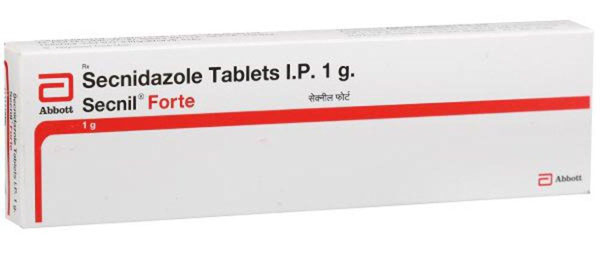
Secnidazole 1 g is supplied as a film-coated tablet in some markets. Take it by mouth with water exactly as prescribed. Do not take more than the dose prescribed or use it for longer than your healthcare professional recommends.
For adults, some product information uses 2 g as a single dose (that is, two 1 g tablets or four 500 mg tablets) for conditions such as intestinal amoebiasis, giardiasis and trichomoniasis. Some product information also includes bacterial vaginosis. Dosing can vary depending on the infection and the country. In the UK, hepatic amoebiasis regimens may require treatment over several days - follow local product information and your clinician's instructions.
Uses
Secnidazole is an antimicrobial medicine. Using it when it is not needed may contribute to resistance. Use it only when it has been prescribed for an infection that is proven or strongly suspected.
Secnidazole vs Albendazole vs Metronidazole vs Tinidazole
| Medicine |
Drug class |
What it is typically used for |
Common regimen (adult, examples) |
Key cautions / notes |
Alcohol advice |
| Secnidazole |
Nitroimidazole (antimicrobial / antiprotozoal) |
Bacterial vaginosis and trichomoniasis in some markets, depending on local product information and availability. |
Often used as a single-dose treatment by mouth in markets where the medicine is available, for example 2 g once. |
Do not use in people with hypersensitivity to secnidazole or other nitroimidazoles. If trichomoniasis is being treated, sexual partners should also be assessed and treated where appropriate to help reduce the risk of reinfection. |
Avoid alcohol during treatment and follow the product information for any advice after the dose. |
| Metronidazole |
Nitroimidazole (antibacterial / antiprotozoal) |
Anaerobic bacterial infections, protozoal infections, and commonly bacterial vaginosis and trichomoniasis. |
Usually given as a course over several days, depending on the indication and formulation. For example, oral metronidazole is commonly used for bacterial vaginosis in UK practice. |
Avoid unnecessary use. Do not use with disulfiram taken within the previous 2 weeks. Metronidazole may interact with warfarin and other coumarin anticoagulants. |
Do not drink alcohol during treatment and for at least 48 hours afterwards. |
| Tinidazole |
Nitroimidazole (antiprotozoal / anaerobic antibacterial) |
Trichomoniasis, giardiasis and amoebiasis where available. |
Often given as a single-dose treatment for some protozoal infections, with courses over several days for others, depending on the indication and local product information. |
May interact with warfarin and other oral anticoagulants. Avoid use with disulfiram. Availability varies, and tablets may not be routinely available in the UK. |
Avoid alcohol during treatment and for 3 days after the last dose. |
| Albendazole |
Anthelmintic (benzimidazole) |
Helminth infections (worm infections), not bacterial vaginosis or trichomoniasis. |
Usually given as a short course or a longer regimen, depending on the infection, body weight and specialist advice. |
Liver function and blood counts may need to be monitored with longer courses. Avoid use in pregnancy unless clearly necessary. Use depends on the indication and local availability. |
No specific disulfiram-like alcohol warning is usually highlighted. |
Note: Your product is secnidazole 1 g. Availability, dosing and licensed indications may vary depending on the formulation and local product information. Always follow the product information and the advice of your doctor or pharmacist.
Contraindications and Precautions
Do not use secnidazole if you have hypersensitivity to secnidazole or other imidazole (nitroimidazole) derivatives. Some product information advises avoiding use during the first trimester of pregnancy and while breastfeeding; in the UK, follow the local product information and your clinician's advice.
Avoid alcohol during treatment and for at least 24 hours after the last dose. Do not use it together with disulfiram.
Drug Interactions
Tell your healthcare professional about all the medicines you take. Secnidazole may increase the effect of warfarin and other oral anticoagulants, so monitoring may be needed.
Possible Side Effects
Side effects are usually mild and temporary. Reported side effects with nitroimidazoles can include gastrointestinal upset (nausea, abdominal pain), headache, dizziness and a metallic taste. Seek urgent medical attention if you have signs of a severe allergic reaction, such as swelling of the face or throat, or trouble breathing.
Storage
Store below 30°C (86°F). Protect from light and moisture. Keep out of the sight and reach of children.