Stromectol (Ivermectin)
Dosages
Stromectol 3 mg
| Quantity | Price per tablet | Total price | |
|---|---|---|---|
| 10 | £3.70 | £37.04 | |
| 20 | £2.96 | £59.26 | |
| 30 | £2.72 | £81.49 | |
| 60 | £2.47 | £148.16 | |
| 90 | £2.30 | £207.42 | |
| 120 | £2.16 | £259.28 | |
| 180 | £2.06 | £370.40 | |
| 270 | £1.95 | £525.97 | |
| 360 | £1.75 | £629.68 |
Stromectol 6 mg
| Quantity | Price per tablet | Total price | |
|---|---|---|---|
| 10 | £4.44 | £44.45 | |
| 20 | £3.70 | £74.08 | |
| 30 | £3.21 | £96.30 | |
| 60 | £2.96 | £177.79 | |
| 90 | £2.80 | £251.87 | |
| 120 | £2.59 | £311.14 | |
| 180 | £2.47 | £444.48 | |
| 270 | £2.30 | £622.27 | |
| 360 | £1.95 | £703.76 |
Stromectol 12 mg
| Quantity | Price per tablet | Total price | |
|---|---|---|---|
| 10 | £5.19 | £51.86 | |
| 20 | £4.44 | £88.90 | |
| 30 | £4.20 | £125.94 | |
| 60 | £3.95 | £237.06 | |
| 90 | £3.87 | £348.18 | |
| 120 | £3.83 | £459.30 | |
| 180 | £3.62 | £651.90 | |
| 270 | £2.61 | £703.76 | |
| 360 | £2.06 | £740.80 |
Payment & Delivery
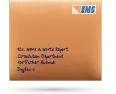
Your order is carefully packed and is dispatched within 24 hours. Here is what a typical package looks like.
Sized like a regular personal letter (approximately 24x11x0.7 cm), with no indication of what is inside.
| Delivery Method | Estimated delivery |
|---|---|
| Express Free for orders over £222.24 | Estimated delivery to the UK: 4-7 days |
| Standard Free for orders over £148.16 | Estimated delivery to the UK: 14-21 days |


Discount Coupons
- New Year's Day - 1 January 2026 9% NEWYEAR9
- Valentine's Day - 14 February 2026 6% VALENTINE6
- St David's Day - 1 March 2026 4% DAVID4
- St Patrick's Day - 17 March 2026 5% PATRICK5
- St George's Day - 23 April 2026 4% GEORGE4
- May Day - 1 May 2026 5% MAYDAY5
- Halloween - 31 October 2026 6% HALLOWEEN6
- Guy Fawkes Night - 5 November 2026 5% GUY5
- Christmas Eve - 24 December 2026 9% XMASEVE9
- Christmas Day - 25 December 2026 10% XMAS10
- Boxing Day - 26 December 2026 10% BOXING10
- New Year's Eve - 31 December 2026 8% NYE8
Brand Names
| Country | Brand Names |
|---|---|
Argentina | Dermoper IV Dermopero Detebencil Ivertal Securo |
Brazil | Ivermec Leverctin Revectina Vermectil |
Canada | Mectizan |
France | Mectizan |
Mexico | Ivexterm |
United States | Mectizan |
| Manufacturer | Brand Names |
|---|---|
| John Lee | Iverjohn Ivermectol |
| Ochoa Laboratories Pvt. Ltd. | Iverjohn Ivermectol |
Description
Ivermectin, a dihydroavermectin B1, is an effective microfilaricide used to treat Strongyloides, scabies, and all types of filariasis except Dipalonema (Mansonella) perstans infection.
Over the past several years, ivermectin has shown excellent results in treating onchocerciasis, both in controlled studies and in the field, including use in the World Health Organization (WHO)-sponsored treatment programme. This experience has provided a thorough picture of its side effects. The effective dose is 50-200 micrograms/kg. After a single oral dose, skin microfilariae remain at low levels for up to nine months.

Ivermectin observational studies
Among the published studies, some have specifically looked at the pattern of side effects. In one such study, although a single dose of the medicine was combined in some patients with diethylcarbamazine, the pattern of side effects was similar to that seen when ivermectin was used alone. There now appear to be circumstances in which a single low dose of ivermectin is enough to have a prolonged effect. For example, in loiasis, a dose of 150 micrograms/kg greatly reduced microfilaria levels even a year later and appeared to clear the infestation completely in more than half of users. If further work confirms this approach, the problem of side effects may be reduced, since at these doses the few reactions seen were limited to the skin and joints, although some Calabar-like swellings were also reported.
Brugia malayi
In an open study from India, 21 asymptomatic microfilaria carriers (with counts of 109-6934/ml of blood) were treated with a single oral dose of ivermectin 400 micrograms/kg and a single oral dose of diethylcarbamazine 6 mg/kg for infection with Brugia malayi. Twelve hours after treatment, microfilaria counts had fallen by 96-100% in all patients, and 12 patients had become afilaraemic. All had side effects lasting up to 48 hours after treatment: fever, myalgia, headache, lethargy, chills, sweating, anorexia, sore throat and pharyngeal congestion, arthralgia, giddiness, nausea and vomiting, abdominal pain, and cough. Postural hypotension lasting 1 day was noted in two individuals. Transient dilated and painfully inflamed lymphatic channels, which stood out like cords, were seen in two individuals. Most side effects were mild and self-limiting.
Loa loa
The use of ivermectin and its side effects in patients infected with Loa loa have been reviewed. It was concluded that a single dose of ivermectin 150-300 micrograms/kg is effective in reducing microfilaria counts by over 90%, with counts still suppressed to 25% of pretreatment values after 1 year. An even more sustained effect can be achieved with more frequent dosing. There is also some evidence that ivermectin in higher doses (400 micrograms/kg twice yearly) can affect adult Loa loa. Tolerance to ivermectin is generally excellent, but serious side effects, especially encephalopathy, can occur, mainly in more heavily infected individuals.
Onchocerciasis
The impact of 5 years of annual community treatment with ivermectin on the prevalence of onchocerciasis and onchocerciasis-associated illness in the village of Gami (Central African Republic) has been assessed. Pruritus, onchocercal nodules, and impaired vision were all significantly reduced by annual treatment with ivermectin.
In a study of the effect of ivermectin on adult Onchocerca worms, the following regimens were compared:
- 150 micrograms/kg yearly (reference group);
- 400 micrograms/kg, then 800 micrograms/kg yearly;
- 150 micrograms/kg every 3 months;
- 400 micrograms/kg, then 800 micrograms/kg every 3 months.
After 3 years of treatment, more female worms had died in those treated every 3 months than in the reference group, and female worms were also less fertile. There was no difference between the two groups of patients who were treated yearly.
There were no serious adverse events, even at high doses. However, subjective complaints of visual disturbance, such as blurred vision, eye pain, or dyschromatopsia, were more frequent in those given 800 micrograms/kg than in those given 150 micrograms/kg; the effects lasted less than 1 week. Detailed eye examination showed no differences between patients in the reference group and those in the other three groups.
Sarcoptes scabiei
In an uncontrolled open study, 101 patients with scabies were treated with a single oral dose of ivermectin 200 micrograms/kg and then followed up after 3 days and at 2 and 4 weeks. Two weeks after the start of treatment, 89 patients were completely free of scabies, while another three had only mild lesions and pruritus with negative skin scrapings. The other nine patients had persistent pruritus and new lesions and were given a second dose, with a complete cure in all cases after 4 weeks.
Twelve patients reported minor side effects, consisting of drowsiness, arthralgia and bone aches, dyspnoea, headache, nausea, and blurred vision. The side effects were mostly reported at the first follow-up and were easily tolerated. Ivermectin appears to be an effective treatment for scabies at a dose of 200 micrograms/kg, although a second dose is needed for a complete cure in a few patients.
An 11-year-old girl developed severe crusted Norwegian scabies. Gamma-benzene hexachloride lotion and topical keratolytics had no significant effect. She was given a single oral dose of ivermectin 6 mg/kg with dramatic effect. The pruritus settled within 4 hours, and the lesions started to clear 2 days later. A second dose of 6 mg was given after 3 weeks, when no skin lesions were found any more. The only side effect was some oedema of the skin after the first dose, which did not occur after the second dose, suggesting that the reaction was more related to the intensity of the infection than to the effect of the medicine itself.
Outbreaks of scabies in elderly people require special management to control the disease. Because repeated non-synchronised treatment attempts with conventional topical scabies treatments often fail, special eradication programmes are needed.
The management of outbreaks of scabies with allethrin, permethrin, and ivermectin has been evaluated. Healthy infested people were treated once simultaneously with an external scabicide, such as allethrin or permethrin; this was effective in 99%. Those with crusted scabies were hospitalized and treated with systemic ivermectin or ivermectin plus permethrin; seven patients received ivermectin twice after an interval of 8 days, and one received permethrin three times. Unfortunately, no details of adverse effects were given.
Strongyloidiasis
The efficacy and side effects of ivermectin 200 micrograms/kg, repeated 2 weeks later, have been studied in 50 patients with chronic strongyloidiasis, aged 30-79 years. The eradication rate was 96% at 2 weeks after the first dose and 98% after the second dose. There was no recurrence after a follow-up of 4 months. One patient had nausea and vomiting 3 hours after the first dose and again after the second dose, but these were transient and required no treatment. In four patients, there were mild laboratory abnormalities (slight increases in liver function tests in two, microscopic haematuria in one, and mild leukopenia and lymphocytosis in one). Of the 50 patients, 12 were positive for human T-lymphotropic virus type-1.
Wuchereria bancrofti
Early-stage elephantiasis caused by bancroftian filariasis in a 27-year-old traveller was treated with a single-dose oral combination of ivermectin 24 mg plus albendazole 400 mg, followed by albendazole 800 mg for 21 days. To avoid a severe Mazzotti-like reaction, he was given oral glucocorticoids and antihistamines for 3 days. He had a transient rash, pruritus, and mild hypotension in the days after the initial treatment but otherwise remained well, and the swelling subsided. Within 1 month, he was free of symptoms. At the last follow-up examination, 3 years after treatment, there was no clinical or laboratory evidence of relapse. The authors thought that this type of treatment should be evaluated on a wider scale, given the minimal adverse events and apparent therapeutic efficacy.
The efficacy of annual mass chemotherapy with a combination of diethylcarbamazine and ivermectin on bancroftian filariasis in rural southern India has been studied, as has the additional role of controlling the vector mosquito Culex quinquefasciatus. Nine villages, topographically and ecologically similar but reasonably isolated from each other, were selected and split into three comparable groups of three villages each.
Group A received chemotherapy with diethylcarbamazine at about 6 mg/kg and ivermectin at 400 micrograms/kg. Group B received chemotherapy and vector control. The most important vector breeding sites were soakage pits, which were treated with expanded polystyrene beads. Minor vector breeding sources, such as domestic or irrigation wells, were treated by adding larvae-eating Tilapia fish or a commercial insecticide based on Bacillus sphaericus. Group C received no intervention.
After the first round of treatment, combination chemotherapy alone caused a 60% drop in the annual filarial transmission potential, whereas the combined strategy reduced transmission potential by 96%. After two rounds of treatment, the reduction in transmission potential was similar with the two strategies (about 91-96%), while the prevalence of microfilaraemia was reduced by 88-92%.
Adverse events after combination therapy were reported in 20% of those who had taken diethylcarbamazine and ivermectin for the first time. Patients with adverse events had higher microfilarial counts. The most common side effects were headache (72% of adverse events), giddiness (67%), fever, and weakness. The incidence of adverse events among those taking combination therapy for a second time was relatively low (5.5%).
Adverse events were also less severe in the second round than in the first. When antifilarial treatment was withdrawn in the third and final year of the study, transmission resumed in the absence of vector control, whereas no infective female mosquitoes were detected in villages with vector control. Vector control, although clearly not cost-effective in the short term, could therefore play an important additional role in an integrated programme by preventing the re-establishment of transmission after chemotherapy has been completed.
Ivermectin comparative studies
Sarcoptes scabiei
In a randomised trial, a single oral dose of ivermectin (200 micrograms/kg) was compared with 1% gamma-benzene hexachloride lotion applied topically overnight in 200 patients with scabies. The patients were assessed after 48 hours, 2 weeks, and 4 weeks. After 4 weeks, 83% showed marked improvement with ivermectin, compared with 44% of those treated with gamma-benzene hexachloride. No adverse events were reported with gamma-benzene hexachloride. Headache was reported only once with ivermectin.
In 80 children aged 6 months to 14 years, a single dose of ivermectin 200 micrograms/kg was compared with topical benzyl benzoate for the treatment of paediatric scabies in a randomised, controlled trial. Ivermectin cured 24 of 43 patients, and topical benzyl benzoate cured 19 of 37 patients at 3 weeks after treatment. There were no serious side effects with either treatment, although benzyl benzoate was more likely to cause local skin reactions. These results are in line with those of another study, in which 18 children aged 14 months to 17 years with either scabies or cutaneous larva migrans were treated with a single dose of ivermectin 150-200 micrograms/kg. A single oral dose cured 15 patients, and three patients with crusted scabies required a second dose. None had significant side effects.
Wuchereria bancrofti
In a study in which doses of 200 or 400 micrograms were used, with or without diethylcarbamazine, for Wuchereria bancrofti infection, there was a higher than average incidence of reactions (and a higher incidence with ivermectin than with diethylcarbamazine), but this perhaps reflected an unusually high success rate or the severity of the original infection. For similar reasons, repeated courses of treatment tend to show a falling incidence of side effects. Normally, general symptoms such as fever, weakness, anorexia, malaise, and chills occur in a substantial minority of patients on a first course, while at least one-third have muscle and/or joint pain. Vertigo, dyspnoea, diarrhoea, and abdominal symptoms affect a few patients. The severity of side effects is not related to serum concentrations of the medicine, which again reflects the fact that they are largely a consequence of parasite breakdown rather than toxic effects of ivermectin.
Ivermectin placebo-controlled studies
Emesis, ataxia, and mydriasis are cardinal signs of ivermectin toxicity. The safety, tolerability, and pharmacokinetics of escalating high-dose ivermectin were studied in 68 healthy subjects in a randomised, double-blind, placebo-controlled study at the following doses:
- 30 mg fasted
- 60 mg fasted
- 90 mg fasted
- 120 mg fasted, 30 mg fed
Ivermectin was generally well tolerated. Quantitative pupillometry ruled out any mydriatic effect of ivermectin. There was no nervous system toxicity associated with oral ivermectin at any of the doses. There were no serious clinical or laboratory adverse events. Three of the 51 subjects who took ivermectin while fasted reported minor gastrointestinal adverse events: faecal abnormality, nausea, and vomiting; six reported minor neurological adverse events: headache, anxiety, and dizziness. There were no adverse events in the subjects who took ivermectin 120 mg. Absorption of ivermectin was about 2.5 times higher when it was given after a high-fat meal.
Sarcoptes scabiei
In a randomised, double-blind comparison of the efficacy of oral ivermectin and topical gamma-benzene hexachloride, 53 patients were randomly allocated to either a single oral dose of ivermectin 150-200 micrograms/kg and a placebo topical solution or a single dose of gamma-benzene hexachloride topical solution 1% and placebo tablets. Patients who did not meet the criteria for a clinical cure within 15 days, defined as the absence of both pruritus and clinical lesions or a reduction in signs and symptoms to a mild degree, repeated the initial treatment.

Of the 53 patients, 43 completed the study (19 of those treated with ivermectin and 24 of those treated with gamma-benzene hexachloride). After 15 days, 74% of the patients treated with ivermectin and 54% of the patients treated with gamma-benzene hexachloride were considered cured. At 29 days, both treatments were equally effective, with cure rates of 95% and 96%, respectively. Side effects were mild and transient in both groups. One of the patients treated with ivermectin had hypotension, one had abdominal pain, one had vomiting, and one complained of headache. There were no abnormalities on routine laboratory testing.
Wuchereria bancrofti
In a double-blind, placebo-controlled study in Ghana, single doses of ivermectin 150-200 micrograms/kg and albendazole 400 mg, either separately or in combination, were given to 1425 individuals for Wuchereria bancrofti infection. Of these, 340 were microfilariae-positive before treatment. Ivermectin and ivermectin plus albendazole both produced statistically significant reductions in mean microfilaria counts at follow-up; the effect of ivermectin was longer lasting. Albendazole produced a non-significant reduction. Side effects were few and mostly mild, and there were no severe reactions.
Mechanism of action
The mode of action of ivermectin has been reviewed. It has tentatively been identified as agonism at gamma-aminobutyric acid (GABA) receptors, with inhibition of ion channels that control specific nerve cell connections. The function of chloride channels should therefore be altered in most organisms, leading to paralysis and death of parasites. Several sites of action have been proposed:
- a postsynaptic agonist site either on the receptor or in its immediate neighbourhood;
- a presynaptic site that activates GABA release;
- potentiation of GABA binding to its receptor.
Another mechanism of action involves the binding of ivermectin to P glycoprotein.
Lactation
Only a small amount of ivermectin is excreted in breast milk, and it has been suggested that there is no need to exclude breastfeeding mothers from mass chemotherapy with ivermectin.
Side effects
Compared with other anthelmintic drugs, ivermectin can be considered reasonably safe, and it is generally better tolerated than diethylcarbamazine. Clinical experience has often shown relatively little toxicity, although mild side effects, presumably due to the killing of the microfilariae, occur in at least one-third of patients; some work has suggested that neutrophil activation may play a role in the development of these reactions. It has also been well tolerated in combinations, for example when given with albendazole to kill adult worms (which cannot be achieved with ivermectin alone) or with diethylcarbamazine for bancroftian filariasis.
The main concern at the outset was that ivermectin has a long half-life and that some late effects might occur in certain individuals. During the early phases, it was recommended that in areas where the drug had been widely used, the health workers involved should continue to observe patients for a time in case problems did arise, but no late complications have, in fact, been documented.
General side effects
Acute symptoms, often flu-like or affecting the skin, are related almost entirely to the release of toxic products and allergens from killed filariae and can affect two-thirds of patients; in conditions where this type of reaction does not occur, the medicine may be ineffective. The mechanism behind these effects also explains why they tend to occur early and may be brief, that is, immediately after the microfilariae die. For similar reasons, these effects are most severe in patients with a high microfilaria count.
Despite the sometimes transient and apparently tolerable nature of the skin effects, they can persist in patients who require long-term treatment, for example for onchocerciasis, and under these conditions they are enough to impair adherence to treatment.
The effects of age, sex, dosing round, time of day, and distance from the nurse monitor on adverse event reporting during mass ivermectin administration in Achi in south-east Nigeria have been examined. There was a significant increase in adverse event reporting with age, but not sex. Fewer side effects were reported after starting at night than after starting during the day. There was no significant effect of distances up to 1 km on adverse event reporting. Both compliance and adverse event reporting were lower after the second dosing round than after the first. These variables should be included in the standardisation of adverse event reporting.
Ivermectin side effects in treating onchocerciasis
Although reactions after ivermectin in onchocerciasis are usually less severe than after diethylcarbamazine, they still affect a significant number of patients with onchocerciasis after the first dose. With subsequent treatments, these reactions become less frequent and less severe. The so-called Mazzotti reaction, which is often seen after treatment of Onchocerca volvulus with diethylcarbamazine or ivermectin, is characterised by fever, tachycardia, hypotension, adenitis, pruritus, arthralgia, a papular or urticarial rash, and lymphoedema. It is thought to be an inflammatory host response to microfilaria killing and tends to be more severe in those with greater numbers of parasites. The roles of chemoattractants, such as eotaxin, RANTES, and MCP-3, in the recruitment of eosinophils to the site of parasite killing were studied in 13 patients with onchocerciasis and two control subjects before and after ivermectin. Eight patients had reactions, but none were severe. The reactions were fever (54%), pruritus (62%), rash (46%), and lymphoedema (46%). There was no significant postural hypotension. There was endothelial expression of both RANTES and eotaxin after ivermectin, suggesting that these chemoattractants have an important role in eosinophil recruitment into the skin during the killing or degeneration of parasites after ivermectin.
A role for the release of Wolbachia bacterial endosymbionts has been suggested in the pathogenesis of the Mazzotti reaction. There was a good correlation between Wolbachia DNA, serum TNF-alfa, and the antibacterial peptides calprotectin and calgranulin after treatment with ivermectin or diethylcarbamazine, supporting a role for Wolbachia products in mediating these inflammatory responses.
There has been an epidemiological survey of the endemicity of human onchocerciasis and the effects of subsequent mass distribution of ivermectin in villages of the Nzerem-Ikpem community in Nigeria. Of 1126 people studied, 527 were positive for skin microfilariae, 329 had leopard skin (characterised by focal skin depigmentation), 385 had nodules, and 167 had acrodermatitis. There were side effects in 362 patients (19%): pruritus in 13%, limb swelling in 8.5%, facial swelling in 2%, weakness in 4.8%, nausea and vomiting in 3.4%, headache in 5.8%, diarrhoea in 3.4%, and rheumatism in 3.5%. There were no severe reactions.
Ivermectin side effects in treating Loa loa encephalopathy
When Loa loa infections are treated on a large scale with ivermectin, encephalopathy, which was much feared as a complication with diethylcarbamazine, again appears to occur, especially in heavily infected or older individuals.

For this reason, mass use of ivermectin in areas where Loa loa infection is endemic is no longer recommended. Ivermectin appears to promote the passage of Loa loa microfilaria into the cerebrospinal fluid (CSF), with a maximum after 3-5 days, followed by an intense allergic reaction to the dying microfilaria. The Mectizan Expert Committee defined a definite case of Loa loa encephalopathy related to ivermectin as one that satisfies two criteria:
- encephalopathy in which there is microscopic evidence of vasculopathy in the brain associated with Loa loa microfilaria;
- the onset of symptoms of disturbed nervous system function within 5 days after treatment with ivermectin, progressing to coma without remission.
A probable case of Loa loa encephalopathy was defined as one that satisfies four criteria:
- coma in a previously healthy individual;
- the onset of nervous system signs within 5 days of treatment with ivermectin, progressing to coma;
- an initial microfilaraemia of over 10 000/ml, or 1000/ml in a blood sample taken within 2 months of treatment;
- the presence of Loa loa microfilaria in the CSF.
Common clinical features of this condition include impaired consciousness that appears 3-4 days after treatment and lasts for 2-3 days.
There is no consensus on the proper management of ivermectin-associated Loa loa encephalopathy, and it is uncertain if co-administration of glucocorticoids is of any use. In several patients with more severe reactions, conjunctival hemorrhages were seen.
A systematic examination of the conjunctivae in 1682 patients reporting side effects showed that these haemorrhages were closely linked to pretreatment microfilaria counts. This sign can appear 2 days after treatment and may therefore help identify patients at risk of encephalopathy who need closer follow-up. Although the incidence of these cases is very low (around 1 in 10 000 treated patients), this serious side effect makes mass treatment of Loa loa infection problematic, as well as mass treatment of onchocerciasis in areas where Loa loa is endemic. To illustrate this, three probable cases of Loa loa encephalopathy after ivermectin treatment for onchocerciasis have been described. All three were young men treated with ivermectin 150 micrograms/kg in a mass-treatment campaign for onchocerciasis.
- A previously healthy 26-year-old man developed nervous system symptoms by the third day, including being unable to stand or eat and stiffness in the neck. On the fourth day, he had difficulty swallowing and speaking. On the fifth day, he could not speak and was incontinent of urine. He was given dexamethasone, diazepam, furosemide and atropine. On the sixth day, he became comatose. On the ninth day, he developed a high fever and was given penicillin and tube feeding. His condition gradually worsened, and he died on the 21st day. Serum microfilaria counts on day 13 after treatment were still high (3600/ml), and live Loa loa (10/ml) were found in the CSF.
- A 32-year-old man with alcoholism had a very high pretreatment serum microfilaria count (50 000/ml). After starting ivermectin, he became bedridden and would not speak. On the third day, he developed a fever, possibly due to malaria, and was treated with chloroquine. On the fourth day, he was unable to stand and was alternately restless and drowsy; his CSF contained live Loa loa microfilariae. He became more incoherent and fidgety and had a marked grasp reflex. Later that day, he developed spastic hypertonia. On the fifth day, he became incontinent and still would not speak. Over the following days, he gradually improved and, 4 months later, had no neurological abnormalities, although his relatives felt that his behaviour had changed and that he was much calmer than before. An electroencephalogram on day 15 showed periodic diffuse discharges of large amplitude during hyperventilation, and on day 146, an asymmetric tracing with focal activity in the right parieto-occipital area, which worsened during hyperventilation. On day 233, the electroencephalogram was normal.
- A previously healthy 18-year-old man was given ivermectin. On the second day, he was unable to work and stayed at home. On the third day, he was found unconscious in bed, incontinent of urine and faeces. On the fourth day, he did not move and had absent pain sensation. There was hypertonia in the arms with marked cogwheeling. On the fifth and sixth days, there was a swinging horizontal movement of the eyeballs, but otherwise he seemed to improve. On the seventh day, he could sit up in bed with help and spoke several sentences. He could perform slow voluntary movements, and his muscle strength and sensation returned to normal, although the cogwheel phenomenon still persisted. He gradually returned to normal over the following weeks. After 5 months, the neurological examination was normal, but he still complained of headaches and episodes of amnesia. His pretreatment serum microfilaria counts were high (152 940/ml), and the CSF collected on the fourth day contained live Loa loa microfilariae. An electroencephalogram on the 19th day was slow, with spontaneous, diffuse, paroxysmal, monomorphic theta activity lasting 2-3 seconds. An electroencephalogram on the 105th day showed improvement, but focal abnormalities persisted in the left occipital region. On the 159th day, all previously recorded abnormalities had disappeared.
Side effects by organ system
Cardiovascular
Supine and postural tachycardia with postural hypotension can occur; in one large study, these effects were seen in three of 40 patients. In another, hypotension was found in 13 of 69 cases, but in some series these effects were not seen at all. A large community study in Ghana found hypotension in only 37 of nearly 15,000 treated patients. Transient electrocardiographic changes are sometimes seen.
Respiratory
In the treatment of Wuchereria bancroftian filariasis, respiratory capacity was assessed in 23 patients given single doses of up to 200 micrograms/kg; there was a transient but significant fall in vital capacity around 24-30 hours after treatment, apparently due to bronchodilatation. Marked dyspnoea occurred in 2% of cases in the study mentioned above. In other studies, a few patients developed a temporary cough, and in others, pneumonitic patches were seen on chest X-ray.
Nervous system
Headache and vertigo are very common and are often part of the flu-like reaction to ivermectin.
An unusual reaction was reported in a small hospitalised UK group of elderly patients treated for scabies with a single dose of ivermectin (150-200 micrograms/kg). Within 6 months, 15 of the 47 patients had died. All those who died had developed a sudden change in behaviour, with lethargy, anorexia and listlessness before death. This may have been an artefact due to some outside cause, and it is worth noting that other groups using this treatment for scabies have not reported similar reactions.
Sensory systems
Careful ophthalmological examination shows a striking increase in the number of microfilariae in the anterior chamber of the eye in a significant minority of patients, and a new inflammatory infiltrate can appear during treatment in areas of the retina that were already damaged. However, no permanent eye complications have been documented. Most of the other eye symptoms, including oedema and local inflammation, are part of the underlying infection.
Conjunctival haemorrhages have been reported in patients living in areas where loiasis is endemic. Although ivermectin is usually well tolerated, these patients had serious side effects after taking it, including an encephalopathy similar to that seen after treatment with diethylcarbamazine. In retrospect, all of these cases had high Loa loa microfilaraemia and Loa loa microfilariae in the cerebrospinal fluid. The authors suggested that ivermectin might have triggered the passage of Loa loa microfilariae into the cerebrospinal fluid. In a later study of 1682 patients with loiasis treated with ivermectin 150 micrograms/kg, conjunctival haemorrhages were found in 41, nine of whom had previously received a microfilaricidal drug. The initial mean Loa loa microfilaraemia was 14 900 microfilariae/ml (range 0-182 400), compared with 14.5 microfilariae/ml (range 0-97 600) in those without conjunctival haemorrhage. In addition, male sex and Dipalonema perstans microfilaraemia were associated with conjunctival haemorrhages. There was a close link between conjunctival haemorrhages and retinal lesions. Based on observations in three patients who all developed coma after ivermectin, the authors suggested that retinal lesions may reflect what happens in the cerebral circulation in patients with high Loa loa microfilaraemia and neurological problems after ivermectin.
Haematologic
When 28 Sudanese patients were treated with a single dose of ivermectin for onchocerciasis, they developed a prolonged prothrombin time, which continued to lengthen significantly over the next 4 weeks; there were no changes in other clotting parameters. After a month, two of them developed haematomas, which continued to enlarge for the next 31 days. Both of these patients had received ivermectin 150 micrograms/kg. One was given a transfusion; the swellings in both cases settled within a week. For a time, the prothrombin changes seen in some of these cases were thought to be a potential problem; more recent work suggests that prolongation of the prothrombin ratio is in fact little different from placebo and that ivermectin has only a mild effect on vitamin K metabolism and little effect on coagulation. However, lymphadenitis has been noted in a few patients. In one Guatemalan study of twice-yearly treatment of the population to eradicate Onchocerca volvulus infection, upper limb oedema was noted in nearly 20% of cases receiving treatment for the first time.
Gastrointestinal
In the late stages of Strongyloides hyperinfection, ileus can develop and reduce the absorption of oral medicine.
A 39-year-old Afro-Caribbean man with stage IVB T cell lymphoma due to human T lymphotropic virus type-1 (HTLV-1) infection had invasive Strongyloides hyperinfection that did not respond to oral ivermectin plus albendazole because of concurrent ileus. He was treated with two 6 mg doses of a veterinary formulation of ivermectin given subcutaneously. There were no side effects apart from pain at the injection site.
Urinary tract
Proteinuria is unusual but has been described; it was detected 14 days after a single dose and disappeared during follow-up.
Observations that proteinuria and haematuria may occur in patients with bancroftian filariasis and loiasis, and may worsen after treatment with diethylcarbamazine or ivermectin, led to a study of kidney function in patients with onchocerciasis before and after treatment with ivermectin.
The occurrence of renal abnormalities was studied in a population-based study in a meso-endemic village (40% microfilaria carriers), in a group of patients with a generalised or hyper-reactive form of onchocerciasis, and in 46 patients treated with ivermectin as a single oral dose of 150 micrograms/kg. Everyone in all three study groups was examined clinically and had skin snips, serological testing for onchocerciasis and nodulectomy when relevant. Tests for malaria, schistosomiasis, intestinal nematodes and hepatitis B were also carried out, together with serum glucose, creatinine, IgE and electrophoresis.
Urine was tested for erythrocytes, leukocytes, protein, nitrites, pH, glucose, ketone bodies, urobilinogen and creatinine. All patients also had a renal ultrasound scan. There was no difference in renal function or renal ultrasound findings between patients with and without onchocerciasis. A raised urinary protein concentration (over 70 mg/g of creatinine) was common and occurred in 47% of the patients with onchocerciasis and 63% of the patients without onchocerciasis. In the 46 patients treated for onchocerciasis with a single dose of 150 micrograms/kg, there was a slight but statistically significant increase in total urine protein after 2 and 5 days, especially in 16 patients with high pretreatment skin microfilaria counts. The abnormalities were minor and not clinically important. Neither onchocerciasis itself nor treatment with ivermectin was associated with abnormalities of renal function.
Skin
Some itching, soreness or burning sensation is common with ivermectin, and rashes or skin oedema can occur, while pre-existing problems of this kind can worsen. The skin over haematomas can become discoloured. Swelling of the limbs and face, like the skin symptoms, is probably a reaction to the breakdown products of the helminth.
Patients with severe skin involvement ("sowda") as part of their onchocerciasis can have a temporary worsening of the condition, but the overall course is favourable, and they are less likely to have the same problem if treatment later needs to be repeated.
Rashes and swollen lymph nodes seem to be more common in patients with acquired immunodeficiency syndrome (AIDS) who take ivermectin.
Musculoskeletal
Joint or bone pain is common but usually mild; in one study, myalgia occurred in 33% of cases and arthralgia in 33%.
Reproductive system
Orchitis or epididymitis with scrotal tenderness occurs in a few patients as part of the acute reaction when the parasite dies.


Argentina
Brazil
Mexico