
Tretinoin cream (Tretinoin)

Dosages
Tretinoin cream 0,025 20g
| Quantity | Price per tube | Total price | |
|---|---|---|---|
| 4 | £8.33 | £33.34 | |
| 6 | £6.91 | £41.48 |
Tretinoin cream 0,05 20g
| Quantity | Price per tube | Total price | |
|---|---|---|---|
| 4 | £9.07 | £36.30 | |
| 6 | £7.53 | £45.19 |
Payment & Delivery
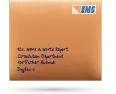
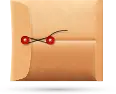
Your order is carefully packed and is dispatched within 24 hours. Here is what a typical package looks like.
Sized like a regular personal letter (approximately 24x11x0.7 cm), with no indication of what is inside.

| Delivery Method | Estimated delivery |
|---|---|
| Express Free for orders over £222.24 | Estimated delivery to the UK: 4-7 days |
| Standard Free for orders over £148.16 | Estimated delivery to the UK: 14-21 days |









Discount Coupons
- New Year's Day - 1 January 2026 9% NEWYEAR9
- Valentine's Day - 14 February 2026 6% VALENTINE6
- St David's Day - 1 March 2026 4% DAVID4
- St Patrick's Day - 17 March 2026 5% PATRICK5
- St George's Day - 23 April 2026 4% GEORGE4
- May Day - 1 May 2026 5% MAYDAY5
- Halloween - 31 October 2026 6% HALLOWEEN6
- Guy Fawkes Night - 5 November 2026 5% GUY5
- Christmas Eve - 24 December 2026 9% XMASEVE9
- Christmas Day - 25 December 2026 10% XMAS10
- Boxing Day - 26 December 2026 10% BOXING10
- New Year's Eve - 31 December 2026 8% NYE8
Brand Names
| Country | Brand Names |
|---|---|
 Australia Australia | ReTrieve |
 Canada Canada | Retin-A Stieva-A Vitamin A Acid |
 Egypt Egypt | Acretin |
 France France | Retacnyl |
 Germany Germany | Airol |
 India India | Airol Retino-A |
 New Zealand New Zealand | ReTrieve |
 Saudi Arabia Saudi Arabia | Acretin |
 Spain Spain | Retirides |
 United States United States | Refissa Renova Retin-A |
Description
What Is Tretinoin Cream?
The benefits of tretinoin cream go beyond clearing the skin of acne. For example, people who have post-inflammatory hyperpigmentation may find that tretinoin cream reduces the appearance of dark spots and discolouration from remaining blackheads.
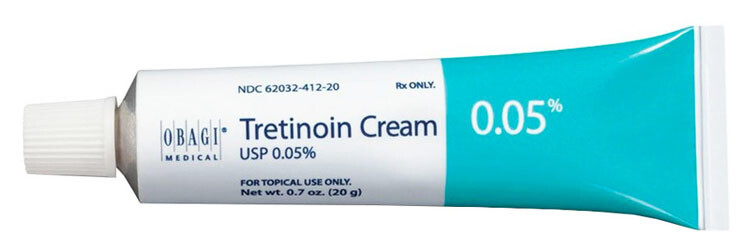
In the UK, tretinoin is available under several brand names, including Retin-A, Retacnyl, and Treclin. Retacnyl, produced by Galderma, is a topical retinoid with a significant presence in the European market. Treclin combines tretinoin with clindamycin for acne treatment.
What is tretinoin cream used for? Tretinoin cream is successful in fighting wrinkles and is often used in cosmetics as an agent to fight signs of skin withering and ageing. All tretinoin products work by accelerating cell renewal. There is rapid exfoliation of the skin and a reduction in the accumulation of dead cells inside the follicle. This, in turn, reduces the formation of comedones.
Tretinoin is approved for use in the UK by the Medicines and Healthcare products Regulatory Agency (MHRA). It is also listed in the British National Formulary (BNF), which provides authoritative information on the selection and clinical use of medicines.
Tretinoin continues to gain popularity in the UK, with public figures like GK Barry sharing their positive experiences using tretinoin-containing products to manage acne and improve skin texture.
Description
Tretinoin (retinoic acid) and other retinoids are effective in treating acne mainly by normalising sebum levels, providing anti-inflammatory effects, and thinning of the stratum corneum. Cream tretinoin has been approved by the FDA as a treatment for wrinkles. No retinoid has been subjected to as much research on wrinkles as tretinoin.
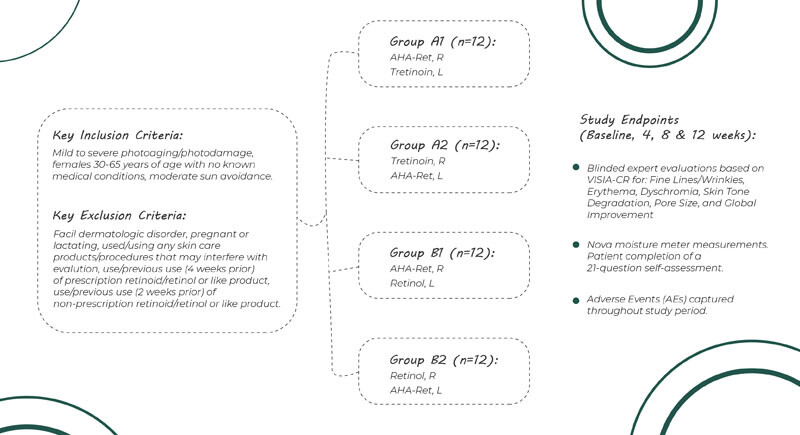
In 1988, retinyl palmitate was shown to not only increase epidermal thickness but also increase collagen content in the dermal layer. The biologically active form of vitamin A, known clinically as tretinoin, starts working much faster than retinol but has a high irritant potential.
Less irritating (compared to tretinoin) retinol derivatives are retinyl palmitate (A palmitate) or retinyl acetate (A acetate) esters. They are more stable, have low irritation potential, and are not toxic. Compared to tretinoin, esters have lower permeability through the stratum corneum. However, with proper selection of the concentration and composition of the other components, retinoic acid esters not only penetrate the skin but also have a physiological effect.
What's the Difference Between Tretinoin and Retinol?
Many people often confuse retinol with tretinoin. Retinol and retinoic acid are related but distinctly different. Retinols must first be converted by special enzymes into the active metabolite, retinoic acid. Only retinoic acid directly affects skin cells and helps reduce the signs of ageing. Tretinoin, on the other hand, is already retinoic acid and does not need this conversion.
In theory, you should be able to apply retinol to your skin, wait for it to convert to retinoic acid, and then eventually get the benefit of the acid. In reality, the conversion rate is low and varies greatly among people.
In addition, in contact with air during storage or use, large amounts of retinol can oxidise or degrade even before it is available to convert to retinoic acid in the skin. As a result, most Retin-A tretinoin creams show better results in a small number of people than creams containing retinoic acid (Retin-A tretinoin). The degree of irritation and other reactions tends to be less as well.
Also, your retinol should be packaged hermetically to ensure maximum retinol effectiveness. However, when trying to get a quick effect and a more significant skin change, the patient should look into tretinoin. It is tretinoin that is the form of retinoic acid that will provide more significant changes. However, in many countries, tretinoin is only available by prescription, as opposed to more affordable and readily available retinol preparations.
You can also check out a review about tretinoin from Marie Claire UK, a prominent digital-first women's lifestyle platform that offers a blend of fashion, beauty, health, and cultural content.
Tretinoin Cream Uses
Tretinoin is a prescription-only medicine (POM) in the UK. You can obtain it through a consultation with your GP (general practitioner) or dermatologist. Alternatively, online services like UK Meds, Dermatica, and And Begin offer consultations with registered healthcare professionals who can prescribe tretinoin if appropriate.
Here is also the Vogue article about the tretinoin skin-care routine.
UK Meds wrote an article answering the most popular questions about tretinoin.
Recommendations for tretinoin cream use:
- Clean the skin of the area to be treated before application. Wait 20 minutes after washing.
- With a light touch, evenly apply the cream on the affected surface (usually applied once a day in the evening). Later, it is possible to apply 1-2 times a day for 1-6 hours, then rinse with water.
- Period of application: 4-6 weeks (up to 14 weeks). For preventive purposes: 1-3 times a week for a long time (after treatment with warm water). For people with light and dry skin, the time of exposure at the beginning of application is 30 minutes, then the duration of exposure is gradually increased.
- Wash your hands after application. Also, avoid using other products on the treated areas for at least 1 hour after application.
- After applying the cream, you may feel warmth and a slight burning sensation.
- The amount for one application is about the size of a pea. Too much product is not good for you.
- Do not use the cream on the skin under the eyes or very close to that area. The areas around the mouth and the nasolabial folds should also be avoided (the skin there is comparatively thin, and you do not want to encourage flaking).
Use a moisturiser daily. Be careful in your choice of skincare products. Abrasive scrubs, astringents, aftershave lotions, and exfoliating products can cause burning and discomfort. You should protect treated areas of your skin from sunlight - use sunscreen.
Treating Acne
Pimples occur suddenly and can easily ruin not only your appearance but also your mood. On the query "treatment of acne" on Google you will find many recipes for home masks, but they give only cosmetic results and are often not effective at all. This is because acne, as it is called in medical circles, is not a cosmetic defect but a marker that indicates a malfunction in the body. Today we will learn what acne is and how it appears, how to treat acne, and how to avoid complications.
The treatment of acne must be approached systematically. Masking the rashes is not only ineffective but also harmful: in this way you can aggravate the condition of your skin. No matter how convincing the advertising is, there is no single magic cure for acne that is suitable for everyone and helps to cope with the disease once and for all. Only a doctor can determine the cause for which you have acne and prescribe a competent treatment regimen.
Tretinoin is one of the structural analogs of vitamin A, also known as trans-retinoic acid. The latter belongs to the first generation of retinoids, and its formula was developed specifically for the treatment of acne (acne and pimples). Numerous studies have shown that it is trans-retinoic acid that is the strongest and most effective form of vitamin A. It has also been observed in studies that tretinoin also helps to reduce the depth of wrinkles.
Sun-damaged Skin
Besides, it is very important to use sunscreens with sun protection factor (SPF) 50 (in spring and summer) together with tretinoin cream, as well as moisturisers to prevent skin dryness and irritation. All products must be non-comedogenic! On the contrary, using oily products that clog pores will only make your acne and pimples worse.
Fine Wrinkles
Retinoids other than tretinoin are used nowadays for the correction of wrinkles - first of all, they are products with pure retinol (you shouldn't mix it up with retinol acetate or palmitate) and also retinaldehyde or isotretinoin. However, to date, of all retinoids it is tretinoin that is the most studied drug. We will show you reviews for tretinoin anti-wrinkle cream from clinical studies and before-and-after photos of patients.
How to Apply Tretinoin (Retin-A) to Your Skin
A drop of cream the size of a pea is usually enough for 1 application. The first visible result will not be visible before 4 weeks from the start of therapy. Satisfactory results will not appear before 8-12 weeks. A full course of tretinoin Retin-A cream treatment is no less than 3 months. It is worth bearing in mind that if tretinoin is used in papulopustular acne (pimples), it is normal that in the first 2 weeks you will first notice a deterioration in the condition of the skin of the face. There is no need to stop the drug in this case.
Dosage and Administration
How to use tretinoin cream: Using products with a concentration of tretinoin of 0.01% or lower has proven futile, since studies have shown no difference in the skin before and after using such a concentration. Only after several months of using tretinoin cream 0.025% tretinoin and getting the skin used to it could one switch to a higher concentration of 0.05% tretinoin cream.
In the UK, tretinoin is available in various formulations, including creams and gels, with concentrations typically ranging from 0.025% to 0.1%. The choice of formulation and strength depends on individual skin concerns and tolerance levels. Dr. Anand, a UK-based dermatologist, emphasises the importance of professional consultation before starting tretinoin to ensure it's appropriate for your skin type and concerns.
What Are Tretinoin Side Effects?
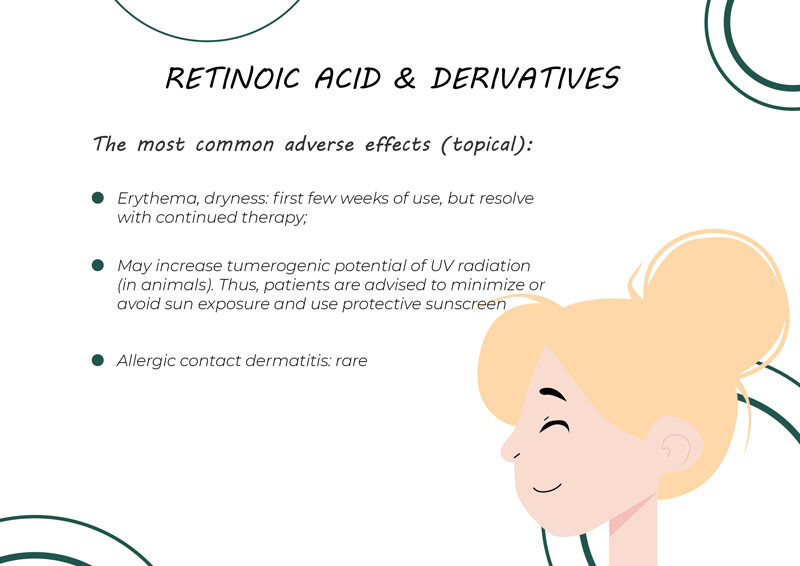
Users in the UK commonly report side effects such as skin redness, peeling, dryness, and increased sensitivity to sunlight. These effects are often most pronounced during the initial weeks of treatment as the skin adjusts. It's advisable to use a broad-spectrum sunscreen daily to mitigate sun sensitivity.
There are several common tretinoin side effects, which may include increased sensitivity to sunlight, dry skin, nausea, persistent or worsening irritation, blistering, crusting, swelling, excessive redness, temporary change in skin pigmentation, and headaches. This medicine can potentially cause more serious side effects, including a condition known as retinoic acid-APL syndrome. Patients taking this medicine should monitor side effects and any changes in their condition so they can report problems to their doctor.
Overdosage & Contraindications
- Do not exceed the recommended dose. Excessive use of the medicine will not relieve your condition and may cause poisoning and serious side effects. If you know of a tretinoin cream/tretinoin cream overdose, contact the emergency services, the nearest hospital or a hospital. Be sure to take the package, container, or name of the medicine with you to facilitate diagnosis.
- Do not give your medicine to others, even if they are in the same condition as you, or you think your conditions have a number of similar signs, as this can lead to an overdose.
- Please consult your doctor or pharmacist and read the information on the product package.
What Should You Tell Your Doctor Before Using Tretinoin?
Before you start taking this medicine, tell your doctor about any medicines, supplements (e.g., vitamins, natural supplements, etc.), allergies, existing illnesses, and current health conditions (e.g., pregnancy, upcoming surgery, etc.) you are already taking. The side effects of the medicine may be more pronounced if you have a certain condition of your body. Take the medicine as directed by your doctor or follow the instructions for use that come with the medicine.
Pregnancy
Pregnant and nursing women should always consult their doctor before using products containing tretinoin, as dermatologist reviews repeatedly state. Since these products are absorbed through the skin and can potentially cause harm, it is best to avoid using this group of products altogether during pregnancy and lactation.
Breastfeeding
Pain during injections may cause uterine tone and, in breastfeeding mothers, cessation of lactation. Some medicines are absorbed into the blood and, once in the milk, are passed on to the baby, or are passed through the placenta into the foetal bloodstream. Tell your doctor about all the medicines, vitamins, and supplements you use. Your doctor will be able to make a proper medication plan to avoid negative interactions.
Sun Exposure
Take care of your skin from the sun and use sunscreen. Tretinoin makes your skin more sensitive, including to the sun. Unprotected sun exposure can cause burns and age spots. And according to cosmetologists, removing pigmentation is one of the hardest things to do. Use broad-spectrum products that protect against both types of sunlight. Usually, they have broad-spectrum, ultraviolet A/ultraviolet B (UVA/UVB) protection, and Japanese products have PA+++ as well. Wear sunscreen even if you're not out for a walk, but sit/work at home by an open window.
Medications
Tretinoin tends to interact poorly with other medicines known to have the effect of drying or thinning the skin, especially medicines with sulfur or salicylic acid.
Drugs or Supplements Interactions
For example, there are combination products where the topical retinoid adapalene 0.1% is combined - either with the antibiotic clindamycin or peroxide. In addition, monotherapies with 0.1% adapalene (Klenzit, Differin) can easily be combined with monotherapies based on benzoyl peroxide, dividing their use into morning/evening sessions. But products with tretinoin cannot be combined with anything other than antibiotics. The fact is that benzoyl peroxide has a pronounced irritant effect on the skin, and it cannot be used together with tretinoin.